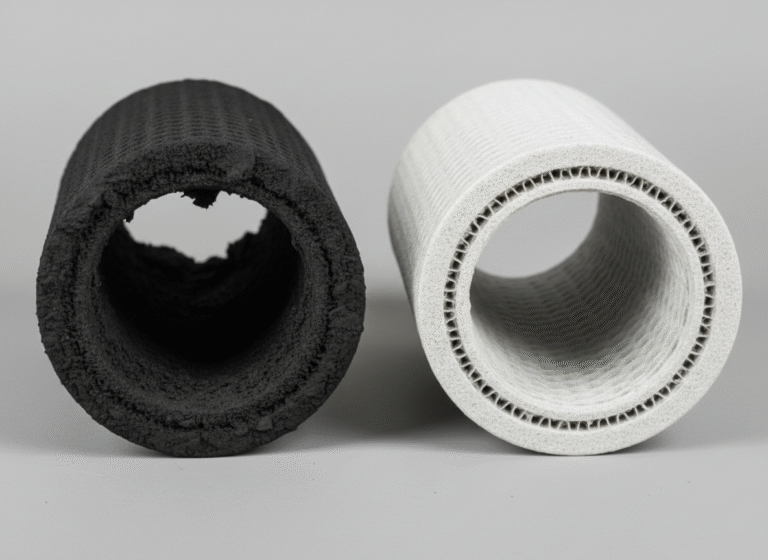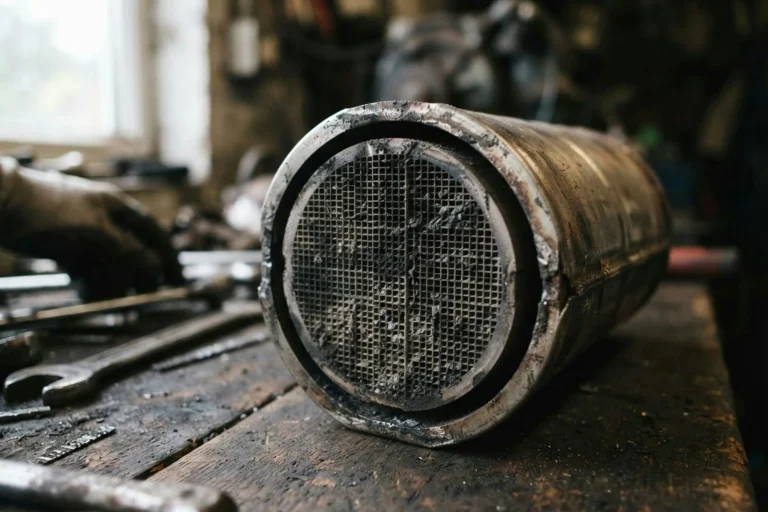
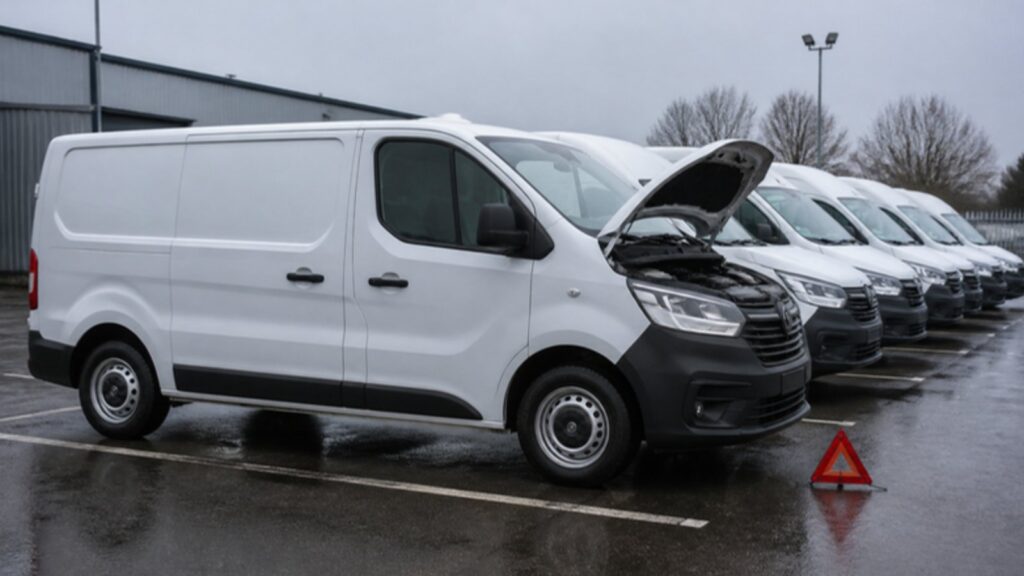
When a van goes into limp mode with a blocked DPF, the repair invoice is the number everyone looks at. For whoever runs the fleet, it is rarely the biggest one. The real cost of fleet DPF downtime is the van that isn’t earning, the jobs that get moved, the driver who is paid to wait and the extra fuel the vehicle burned for weeks before it stopped. This guide breaks that cost down so you can see it for your own vehicles, and shows where planning cuts it.
Why the invoice is the smallest part
A DPF rarely fails without warning. Ash and soot build up over months, and the vehicle tells you with more frequent regenerations, a warning light and eventually reduced power. The problem for a fleet is that the final stage tends to arrive on a working day, with a full load and a list of drops.
At that point you are no longer paying for a clean. You are paying for a recovery, a cancelled round and a vehicle sitting in a queue at whichever garage can take it. Our fleet DPF cleaning service is built around avoiding exactly that, but it helps to know what you are avoiding.
The five costs of one blocked DPF
Work out your own cost of a day off the road
Every fleet is different, so we won’t give you a made-up figure. Instead, fill in this table for a typical vehicle. Most fleet managers already have every number in it.
| Cost line | Where to find it | Planned clean | Unplanned breakdown |
|---|---|---|---|
| Lost earnings per day | Revenue the vehicle brings in on a working day | Low: booked on a quiet day or covered by a spare | Full day, often more |
| Fixed costs per day | Lease or finance, insurance and tax, divided by working days | Same either way | Same either way |
| Hire or cover vehicle | Your hire supplier’s day rate | Usually none | Often needed at short notice |
| Driver and office time | Hourly cost multiplied by hours lost | Minimal | Waiting, rerouting, phone calls |
| Recovery | Your breakdown cover terms | None | Possible call-out or excess |
| The clean | Our price | Car and van drop-off from £100 + VAT | Same clean, if the filter is still sound |
Car and van drop-off cleaning starts from £100 + VAT. Prices may vary depending on the filter, its condition and the job, and we confirm the price before any work starts. Larger commercial and HGV filters are priced separately, on quote.
Our view: once you have filled that in, the clean stops looking like the cost to manage. The day off the road is. That is why the fleets that spend least on DPFs aren’t the ones finding the cheapest clean. They are the ones who choose when it happens.
The risks that don’t show on a spreadsheet
Some costs are harder to put a number on, but they matter to anyone holding an operator’s licence or running branded vehicles.
- Roadworthiness. DVSA’s guide to maintaining roadworthiness is clear that it is a criminal offence for a driver and operator to use an unroadworthy vehicle, and its definition of roadworthiness includes environmental standards, not just brakes and tyres.
- The MOT. Since May 2018, diesel cars with a DPF get a major fault if the tester can see smoke of any colour or finds evidence the DPF has been tampered with. A failed test is another unplanned day off the road.
- Damage that turns a clean into a replacement. A filter left to block can be damaged by repeated regeneration attempts; a technical guide on Vehicle Service Pros lists overuse of forced regenerations causing DPF overheating or cracking among common DPF problems. A cracked or melted filter can’t be cleaned, so the cheapest fix is gone.
- Your name on the side of the van. A branded vehicle stuck at the roadside or smoking in traffic is seen by your customers.
How to cut fleet DPF downtime
None of this needs a complicated system. It needs the DPF to be treated as a planned maintenance item rather than a breakdown.
- Know which vehicles are at risk. Short-trip, stop-start and high-idle vehicles load their filters fastest. Our guide to why diesel vans block their DPFs more often explains why.
- Tell drivers what to report. A DPF light, regular fan running after switch-off or a loss of power should be reported the same day, not at the end of the week.
- Book the clean before the breakdown. Pick a day when the vehicle has the least work, and remove the filter in your own workshop or at your usual garage.
- Keep a record. Note the date, mileage and readings for every clean so you can see which vehicles need it most often. Our fleet DPF maintenance plan shows a simple way to set this up.
- Fix the cause. If one vehicle keeps blocking, something upstream is usually wrong, such as an EGR valve, a sensor or an injector.
How our drop-off cleaning fits a fleet
We clean DPFs off the vehicle at our workshop at 201 King Street, Fenton, Stoke-on-Trent. Your technician or garage removes the filter, you drop it off, and we inspect, test, clean and re-test it. We aim for one working day on drop-off cleans, but it can take longer depending on the filter, and we’ll give you a time when you book. Depots further away can post filters in through our postal DPF cleaning service; quote and return times depend on location.
Black water being flushed out of a filter in our current cleaning machine at the Fenton workshop.
For filters you would rather not have removed, we also offer same-day on-car appointments, space permitting, from £200. Prices may vary. If your fleet includes lorries, our HGV DPF cleaning service covers the bigger filters.
Frequently asked questions
How long is a van off the road for a DPF clean?
With drop-off cleaning, the van is off the road while the filter is removed, cleaned and refitted. We aim for one working day on the clean itself, but it can take longer depending on the filter. We’ll give you a time when you book, so you can plan around it.
Is it cheaper to clean a fleet DPF or replace it?
If the filter is structurally sound, cleaning is usually far cheaper than a new filter. The catch is timing: a filter left until it cracks or melts can no longer be cleaned. We check every filter for damage before we start.
Can I keep driving a van with the DPF light on?
Not for long. The light means the filter isn’t regenerating properly, and continued short trips will usually make it worse. Get it checked promptly, before the vehicle goes into reduced power.
Can you clean filters for a fleet outside Stoke-on-Trent?
Yes. Trade and fleet customers can post filters in. Quote and return times depend on your location.
Related reading
Talk to us about your fleet
Tell us what you run and how it works, and we will help you plan cleans around your busiest days. Call 07827 533529 or get in touch online.