201 King Street, Fenton, Stoke-on-Trent ST4 3ER
Open Mon–Sat 9am–6pm · Closed Sunday
Home › Services › Engine Carbon Cleaning
From £100 · Petrol and diesel
Our hydrogen carbon clean clears built-up carbon from the intake, valves, injectors and EGR passages without dismantling the engine, at our Fenton workshop.
Petrol and diesel engines
No parts removed
No additives in your tank
Live data before and after
Get a free quote
Tell us the reg and what the car is doing. We’ll come back with a straight answer and a price.
2,500+
Cleans completed
From £200
On-car DPF clean
Open Monday to Saturday
Fenton workshop
UK-wide
Postal DPF cleaning
How it works
Short trips, slow warm-ups and stop-start driving let carbon bake onto the intake runners, valves, injector tips and EGR passages. It robs power, causes flat spots and a rough idle, and pushes emissions up.
We connect the hydrogen machine to the air intake and run the engine. The hydrogen breaks down the hard carbon at a controlled temperature and the engine burns it away. Nothing is dismantled and nothing goes in the fuel tank.
We record the live data before we start and again afterwards, so you can see the difference.
Readings recorded before the clean.
Fed through the air intake while the engine runs.
Hard deposits broken down and burnt away.
The same readings again to show the difference.
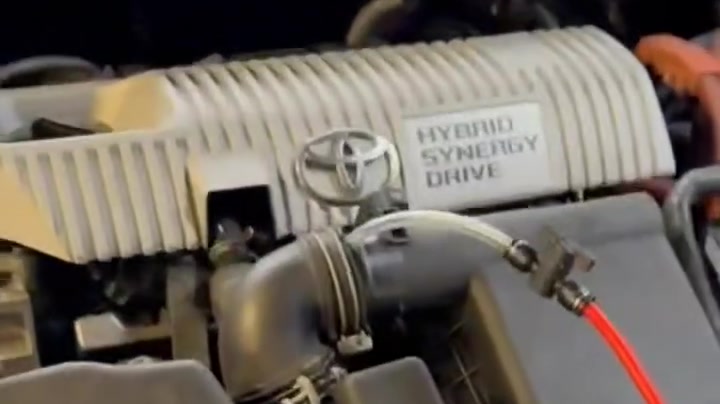
Engine carbon cleaning with the hydrogen machine connected
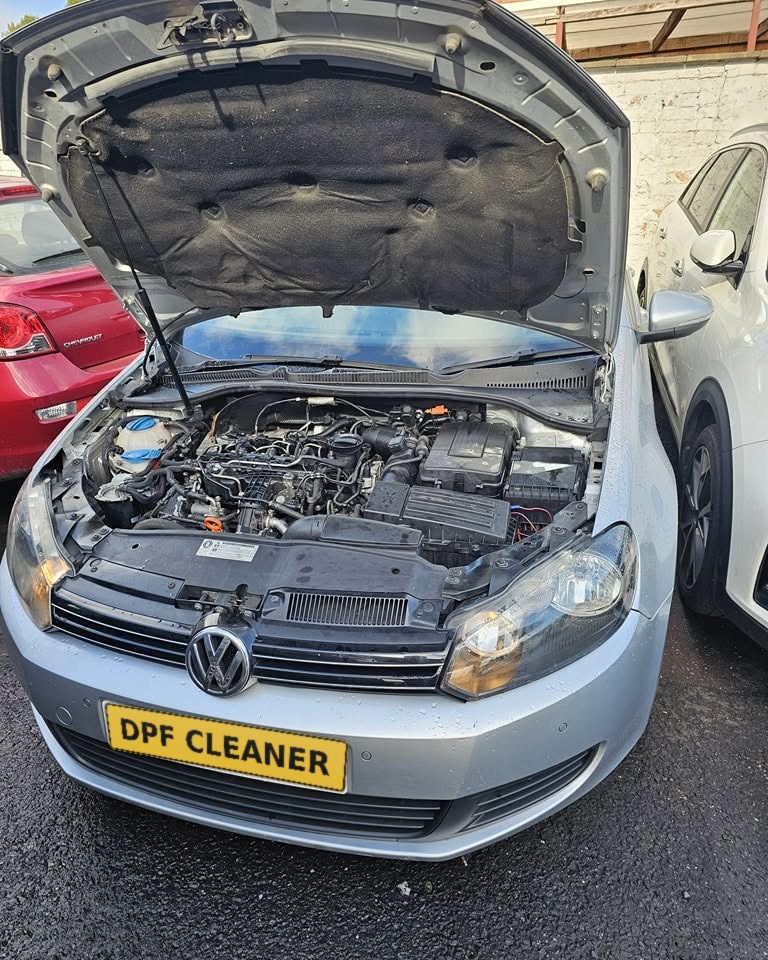
A VW Golf diesel with the bonnet up in the workshop
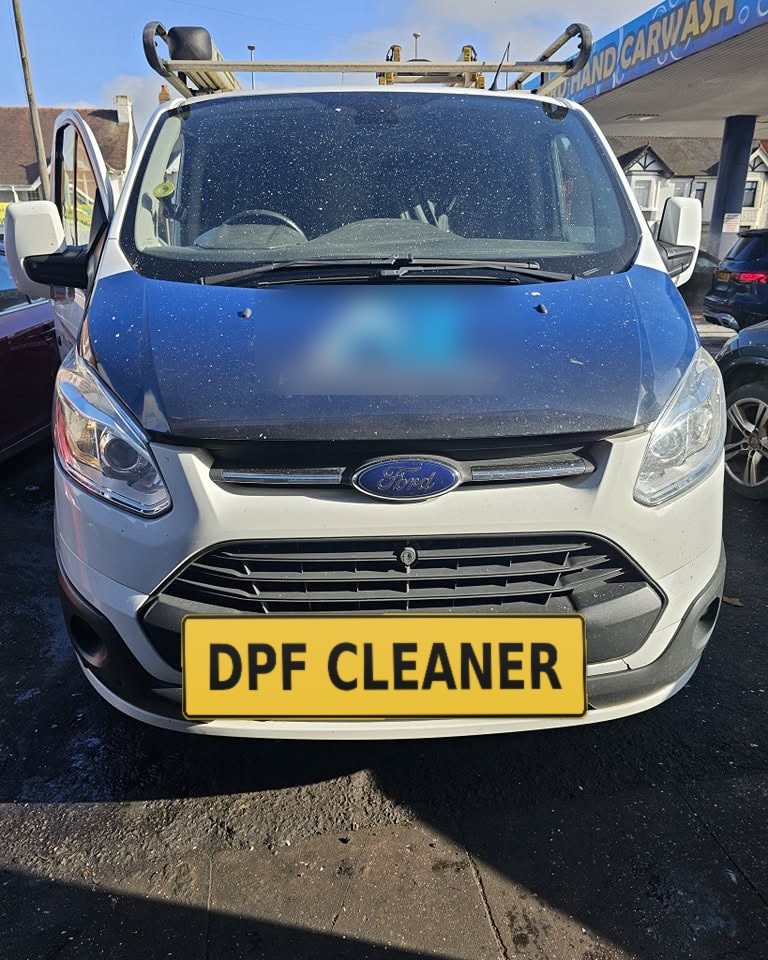
A Ford Transit Custom in the workshop
In the workshop
The machine feeds hydrogen through the air intake while the engine idles, breaking down carbon on the valves, injectors and EGR passages so the engine can burn it away.
Why it matters
Carbon build-up restricts airflow, so throttle response suffers, turbo lag increases and the engine can idle roughly. On diesels it also adds to the soot that ends up in the DPF.
A carbon clean helps restore smoother running and cleaner emissions. Keeping the intake clear protects other parts too: a clear EGR path stops the valve sticking, clean injector nozzles spray properly and freer airflow helps the DPF regenerate at the right temperature.
It’s preventative maintenance. It won’t fix parts that are already damaged, so we check the vehicle first and tell you if something else needs attention.
Engine carbon cleaning starts from £100. Prices shown are starting prices. The final price depends on many factors, including the vehicle and how complex the job is, and we confirm it before any work starts.
We carbon clean both, from turbo petrol cars to diesel vans and light trucks.
Vehicles
Town driving, short journeys and direct-injection petrol engines are the biggest causes of carbon build-up.
Direct-injection engines build heavy intake carbon on town drives, hurting throttle response and idle.
Short runs and turbo heat bake carbon onto the valves, especially in stop-start traffic.
The 1.0 and 1.5 EcoBoost are known for valve carbon. Cleaning avoids an expensive strip-down.
Swirl flaps and EGR passages clog with soot, causing sluggish driving and high idle revs.
Low revs and town driving layer carbon across the intake and EGR.
Known for intake restriction and turbo lag caused by sticky carbon.
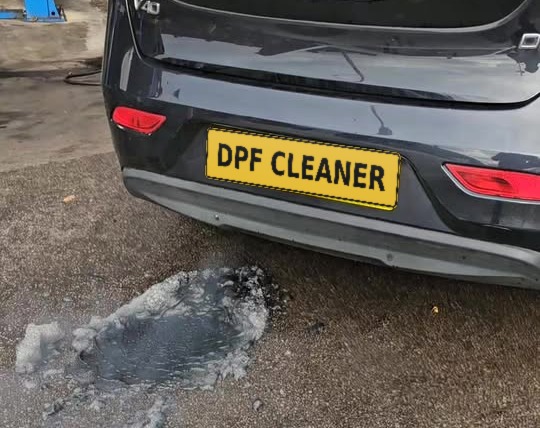
Service
DPF Cleaning & Regeneration
On-car, off-car and postal DPF cleaning with a controlled forced regeneration.
Service
EGR Valve Cleaning
Carbon-clogged or sticking EGR valve stripped and cleaned. From £120.
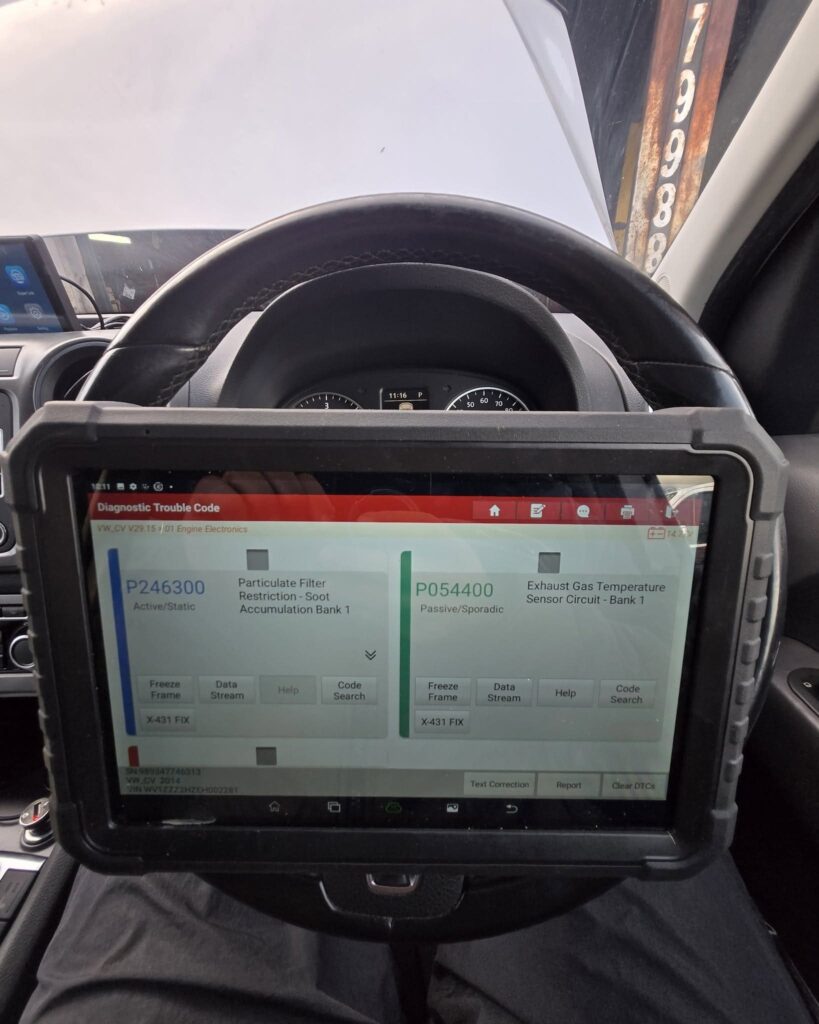
Service
O2 / Lambda Sensor
Lambda sensor checks and cleaning for fuelling and emissions faults. From £80.
Remapping and AdBlue
We work alongside our sister companies. ECU remapping is done by Pro Remapping, from the same Fenton workshop, and AdBlue and NOx faults are handled by AdBlue Specialist.
What is engine carbon cleaning, and how does it work?
It removes built-up soot and carbon from the intake valves, EGR system, injectors and combustion chambers. Our hydrogen machine feeds gas into the air intake while the engine runs, breaking down baked-on deposits without dismantling anything.
Does engine carbon cleaning really work?
When carbon build-up is the problem, you’ll often notice a smoother idle, quicker throttle response and lower emissions. It won’t fix every fault, which is why we check the vehicle first.
How often should an engine be carbon cleaned?
A clean every 15,000 to 25,000 miles is a sensible guide, and sooner if you mainly drive in town, idle a lot or have a direct-injection petrol or turbo diesel engine.
Is it worth it for diesel cars?
Yes. Diesels with EGR valves and DPFs are prone to carbon build-up. Cleaning helps restore airflow and cuts soot at the source, which helps prevent the restriction that leads to limp mode or EGR replacement.
Can carbon cleaning damage my engine?
No. The hydrogen method is non-invasive: nothing goes in the fuel tank and no engine parts are removed.
How long does it take?
It depends on the vehicle and how easy the part is to get to, so we’ll give you a time when you book. Same-day slots are often available if we have space.
How much does engine carbon cleaning cost?
Engine carbon cleaning starts from £100. Prices shown are starting prices. The final price depends on many factors, including the vehicle and how complex the job is, and we confirm it before any work starts. It’s often cheaper than replacing an EGR valve or chasing emissions faults with new parts. Call or message us for a quote.
Do you offer a mobile service?
No. All our work is done at our Fenton workshop in Stoke-on-Trent, where we have the equipment to diagnose the fault and check the results properly. We’re open Monday to Saturday, with same-day slots when there’s space.
Call or WhatsApp us with the reg and what the car is doing, and we’ll tell you whether a carbon clean will help.
201 King Street, Fenton, Stoke-on-Trent ST4 3ER · Open Mon–Sat 9am–6pm, closed Sunday · Visits by appointment