Ask how often an HGV DPF should be cleaned and you will usually get one mileage figure. The trouble is that two lorries on the same engine can need cleaning hundreds of thousands of miles apart. One runs the motorway all night; the other does multi-drop work in town and idles at every stop. The real answer to how often an HGV DPF should be cleaned depends on ash, mileage and duty cycle, and on reading the signs your truck is already giving you.
Why regeneration doesn’t keep an HGV DPF clean forever
A Euro 6 truck cleans its own filter as it goes. DAF’s driver guide describes three types of regeneration: passive, which happens on its own at high exhaust temperatures; active mobile, where the engine management adds fuel to raise the temperature; and a stationary forced regen, which the driver starts when the other two haven’t kept up.
All three deal with soot. None of them removes ash. Ash is what is left when soot burns off, and it comes mostly from additives in the engine oil. It builds up slowly, it doesn’t burn, and it takes up space the filter needs for soot. Our guide to what separates soot from ash covers the chemistry; for an operator, the practical point is simple. Regens manage the day-to-day load. Cleaning deals with the ash.
How quickly ash builds up in a lorry DPF
Ash takes over sooner than most people expect. DieselNet’s technical summary, based on an estimate for a typical heavy-duty vehicle, puts it at about half of the material in the filter after 33,000 miles (53,000 km). By 150,000 miles, ash makes up more than 80% of what is trapped.
The same source reports that with lower-ash engine oil, ash still roughly doubled the filter’s pressure drop after the equivalent of about 188,000 miles or 4,680 engine hours. It also notes that ash can make regenerations come round up to twice as often after around 240,000 miles if the control system doesn’t account for it. More regens means more fuel and, on some trucks, more parked regens for the driver to deal with.
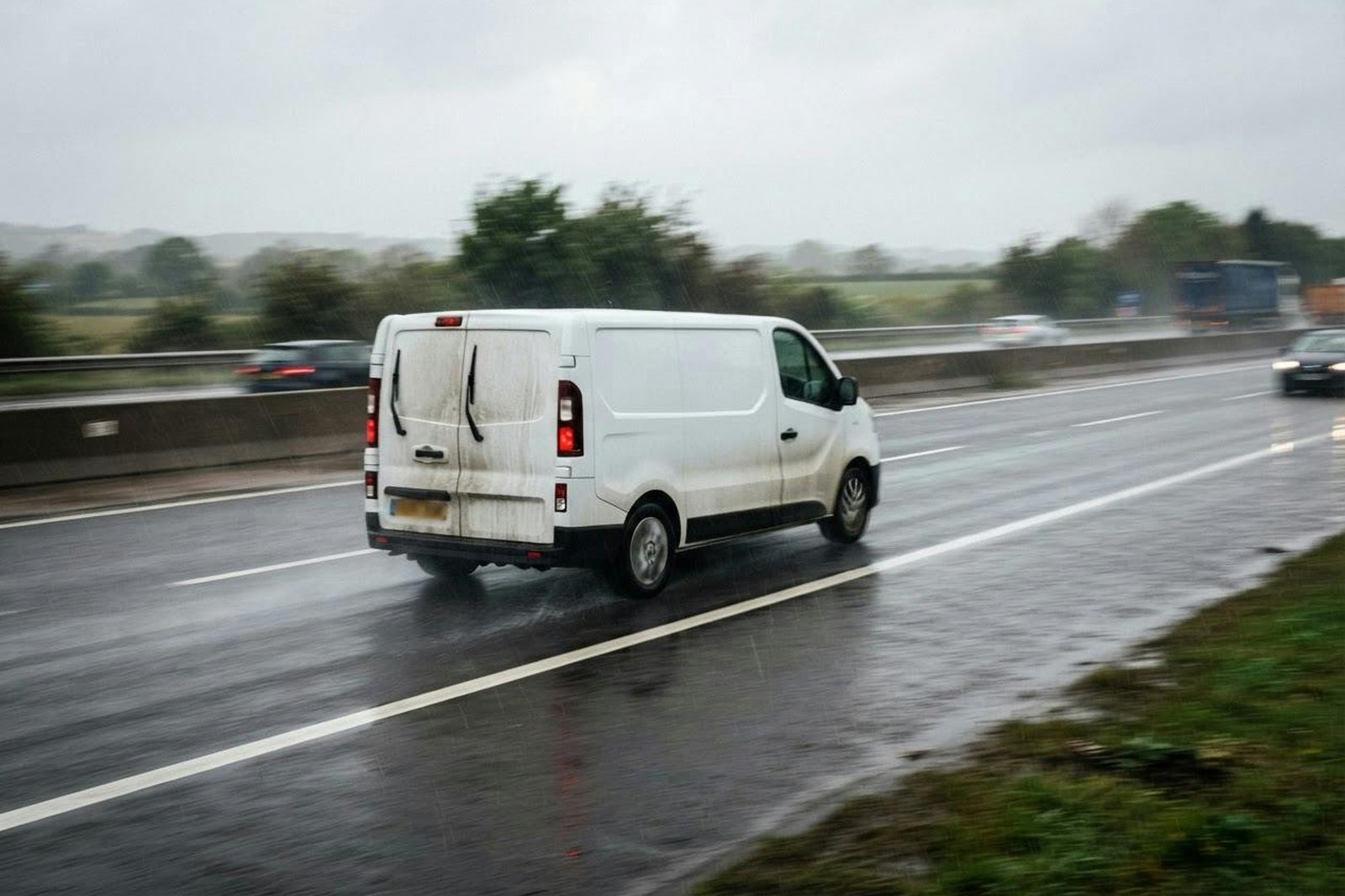
Duty cycle matters more than the mileage on the clock
Truck makers recognise this. A guide to manufacturers’ recommended DPF service intervals published by lubricant maker Chevron, covering North American on-highway engines, shows ash-cleaning intervals running into the hundreds of thousands of miles, with engine hours alongside. It also shows makers shortening the interval for heavier duty. The reason it gives: when fuel economy drops, the engine makes more soot, and higher oil consumption means more ash. One maker in the guide counts more than 20% idle time as heavier duty.
Those schedules are for American trucks, so treat them as a pattern rather than a number to copy. Your own truck’s handbook and dealer give the figure that applies to it. But the pattern holds for UK fleets too. Here is how we would group a typical operator’s vehicles:
| Duty cycle | What it looks like | What to expect |
|---|---|---|
| Long-haul trunking | Sustained motorway running, high exhaust temperatures, plenty of passive regeneration | Soot is well managed. Ash is the main reason for cleaning, so you are likely to get close to the maker’s interval |
| Regional distribution | A mix of A-roads, motorway and some urban drops | Somewhere in between. Watch regen frequency for any rise |
| Multi-drop, urban and municipal | Low speeds, frequent stops, long idle periods, lower exhaust temperatures | More active and parked regens and higher fuel use per mile, so the filter fills faster. Expect to clean well before the headline interval |
| Vocational and PTO work | Tippers, mixers, cranes and refuse, where the engine works hard while barely moving | Engine hours tell you more than miles. Track hours and regen history rather than odometer readings |
Our view: the odometer is the least useful number on an HGV when it comes to DPF cleaning. Engine hours, idle time and how often the truck regenerates tell you far more about what is building up in the filter.
The signs a lorry DPF is due a clean
Rather than waiting for a fixed date, watch for the signals the truck gives you. These usually show up in roughly this order:
- The ash reading creeps up. Many trucks report an ash load, and a technical guide on Vehicle Service Pros notes that the ash value is typically shown on the scan tool in grams, with each manufacturer setting its own service limit. If your diagnostic equipment shows it, log it at every inspection.
- Regenerations come round more often. A filter with less free space fills with soot faster, so the gap between regens shrinks.
- Parked regens are requested more often. More driver time lost, and a sign the filter is struggling to keep up on the road.
- Back pressure rises and fuel use creeps up. The engine is pushing exhaust through a more restricted filter.
- Warning lamps and power reduction. By this point it has gone past planned maintenance. Our guide to HGV DPF warning signs, derates and failed regens covers this stage in detail.
How to set your own cleaning interval
For most operators, the practical approach is to start from the maker’s figure and adjust it with what your trucks tell you.
If you also run vans and cars, the same thinking works across the whole fleet. Our fleet DPF maintenance plan sets it out for mixed fleets.
Getting an HGV DPF cleaned with us
We clean filters off the vehicle at our workshop at 201 King Street, Fenton, Stoke-on-Trent. Your workshop removes the DPF and drops it off, or trade and fleet customers can post filters in. We inspect it, test it, clean it through and test it again, so you have readings to put on file.
A filter being cleaned in our current machine at the Fenton workshop, with the dirty water draining out.
Our new DCS-20L machine supports HGV DPF cleaning at the workshop. Larger commercial and HGV filters are priced separately, on quote, so send us your filter details or part number and we will confirm the price before any work starts. We’ll give you a time when you book. See our HGV and commercial DPF cleaning service for how drop-off works, or read what affects the cost of an HGV DPF clean.
Frequently asked questions
How often should a lorry DPF be cleaned?
It depends on the truck’s duty cycle. Makers set an ash-cleaning interval in miles or engine hours and shorten it for severe duty. Long-haul trucks often get close to that interval; multi-drop, urban and vocational trucks usually need cleaning sooner. Track the ash reading and regen frequency to decide when.
Does a forced regeneration clean an HGV DPF?
A forced regen burns off soot, which can clear a filter that is simply overloaded with soot. It does not remove ash. Once ash has built up, the filter has to come off and be cleaned through.
Can an HGV DPF be cleaned more than once?
Yes, provided the filter is structurally sound. We check every filter for cracks, a melted core or housing damage before cleaning, and we will tell you if a filter isn’t worth cleaning.
Should I clean the DPF by engine hours or by mileage?
For trucks that spend a lot of time idling or running equipment while parked, engine hours are the better guide, because the engine is producing soot and burning oil without covering miles. For long-haul trucks, mileage and hours tend to tell the same story.
Related reading
Plan your next HGV DPF clean
Send us the part number and a few details about the truck and how it works, and we will quote before any work starts. Call 07827 533529 or get in touch online.