Ask what HGV DPF cleaning costs and most people expect a single figure. There isn’t an honest one. A lorry filter can be several times the size of a van filter, it can be carrying years of ash, and two units off the same make of tractor unit can arrive in very different condition. That is why we price every HGV filter on quote, and why it helps to know what actually moves the number before you pick up the phone.
Why HGV DPF cleaning cost is quoted, not listed
For car and van filters we can publish a starting point: drop-off cleaning of a car or van DPF starts from £100 + VAT, and prices may vary depending on the filter, its condition and the job. Our guide to DPF cleaning prices for cars and vans covers that end of the market.
HGV filters do not fit a price list in the same way. Sizes range widely across makes, engines and axle configurations, and the work involved changes with the filter in front of us. A figure printed on a web page would either be too high for a straightforward unit or too low for a heavily loaded one. Neither helps a transport manager plan a budget.
So we do it the other way round. You tell us what the filter is, we tell you what it will cost, and nothing is cleaned until you have agreed that price.
The five things that move the price
What to send us for an accurate quote
The fastest way to a firm price is to give us the details up front. This is what we ask for and why.
| What to send | Why it matters |
|---|---|
| DPF part number (from the filter label or your parts system) | Identifies the exact filter, which is the biggest single factor in the price |
| Vehicle make, model and engine | Confirms the part number and tells us what the filter has been fitted to |
| Approximate mileage or engine hours | A rough guide to how much ash has built up |
| Has it been cleaned before? | A first clean on a high-mileage unit usually means a heavier ash load |
| Symptoms and fault codes | Helps us spot an upstream cause that cleaning alone won’t fix |
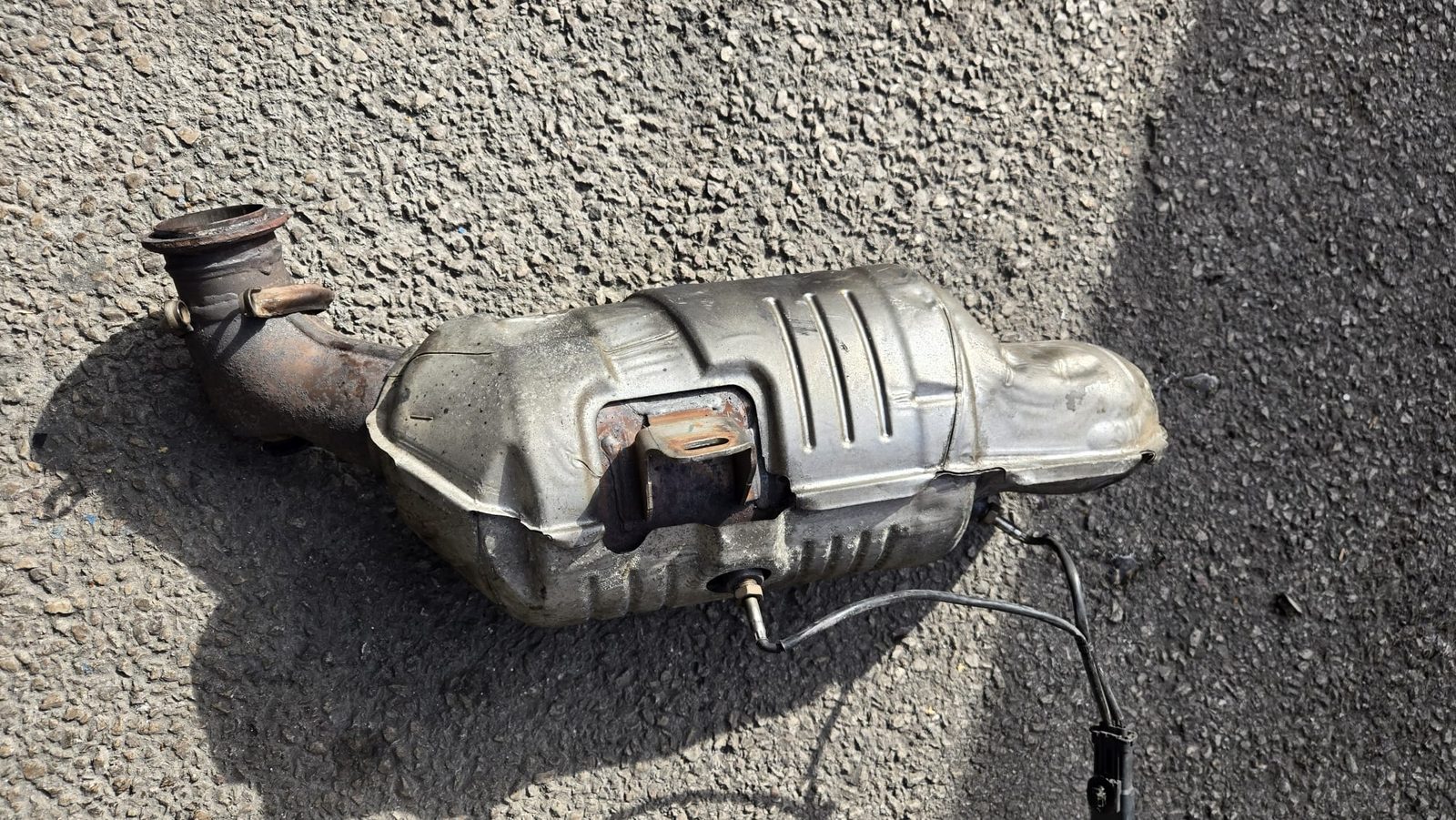
| A couple of photos of the filter, including both faces if it is already off | Shows obvious damage or oil contamination before it travels |
| Drop-off or postal, and your location | Affects the quote and the return time for posted filters |
Not sure of the part number? Send what you have and we will work from it. A photo of the filter label is often enough.
Cleaning is only part of what a blocked filter costs you
When operators compare prices they tend to look at the invoice for the clean. The bigger numbers are usually elsewhere.
- Time off the road. A truck waiting on a filter is a truck not earning. Ask us for a time when you book so you can plan around it, and if your workshop holds a spare filter, cleaning one while the other is fitted keeps the vehicle moving.
- Fuel. A restricted filter makes the engine work harder against back pressure. DieselNet estimates that ash-related back pressure can raise fuel consumption by around 2 to 3%, which adds up quickly across a year of HGV mileage.
- Regenerations. As the filter’s capacity shrinks, regenerations come round more often. Each active or parked regen uses extra fuel, and a parked one takes the driver’s time too.
- Roadside and test risk. A filter left to block can bring warning lights and power reduction with it. We cover those signs in our guide to DPF cleaning for trucks and commercial fleets.
Clean or replace: a quick word on the alternative
A new HGV filter is a significant parts bill, so cleaning is usually the first thing operators look at when the unit is structurally sound. Where it is cracked or melted, replacement is the only real fix and we will say so. The decision has more to it than price alone, and our comparison of cleaning and replacement sets out the general trade-offs.
Our view: get the filter inspected and quoted before you order a replacement. If it can be cleaned, you have saved the difference. If it can’t, you have lost nothing but a phone call.
How our HGV DPF cleaning works
We clean filters off the vehicle in our workshop at 201 King Street, Fenton, Stoke-on-Trent. Your workshop removes the DPF and either drops it off or posts it in. We clean it in our machine and get it back to you for refitting.
A filter being flushed in our current cleaning machine at the Fenton workshop.
Our new DCS-20L machine supports HGV DPF cleaning at the workshop. Every filter is still quoted individually, so send us your filter details or part number for a quote. On timings, we’ll give you a time when you book.
If you are outside Stoke-on-Trent, our postal DPF cleaning service explains how to send a filter in, and our off-vehicle DPF cleaning service covers the process from start to finish.
Frequently asked questions
How much does it cost to clean a lorry DPF?
We don’t publish a fixed figure for lorry filters because they vary so much in size, ash load and condition. Larger commercial and HGV filters are priced separately, on quote. Send us the part number, vehicle details and mileage and we will give you a price before any work starts.
Can an HGV DPF be cleaned instead of replaced?
In many cases, yes, provided the filter is structurally sound. Cleaning removes the soot and ash that regeneration leaves behind. If the filter is cracked or melted, cleaning will not restore it and replacement is the right call. If we can see it is damaged, we will tell you before cleaning.
Why doesn’t regeneration clear an HGV DPF?
Regeneration burns off soot, but it cannot burn ash, which comes mainly from oil additives. Over high mileage that ash takes up space in the filter, so regenerations come round more often and the filter never quite recovers. Removing ash needs the filter off the vehicle and cleaned.
Can I post an HGV DPF to you?
Yes. Trade and fleet customers can post filters in. The quote and return times depend on your location, so contact us first with the filter details and we will confirm both before you send it.
Do you clean car and van DPFs as well?
Yes. Drop-off cleaning for car and van filters starts from £100 + VAT, and prices may vary depending on the filter and its condition. On-car cleaning is also available at the workshop, with same-day slots space permitting.
Get a quote for your HGV DPF
Send us the part number, vehicle and mileage and we will come back with a price. Call 07827 533529 or get in touch online.