
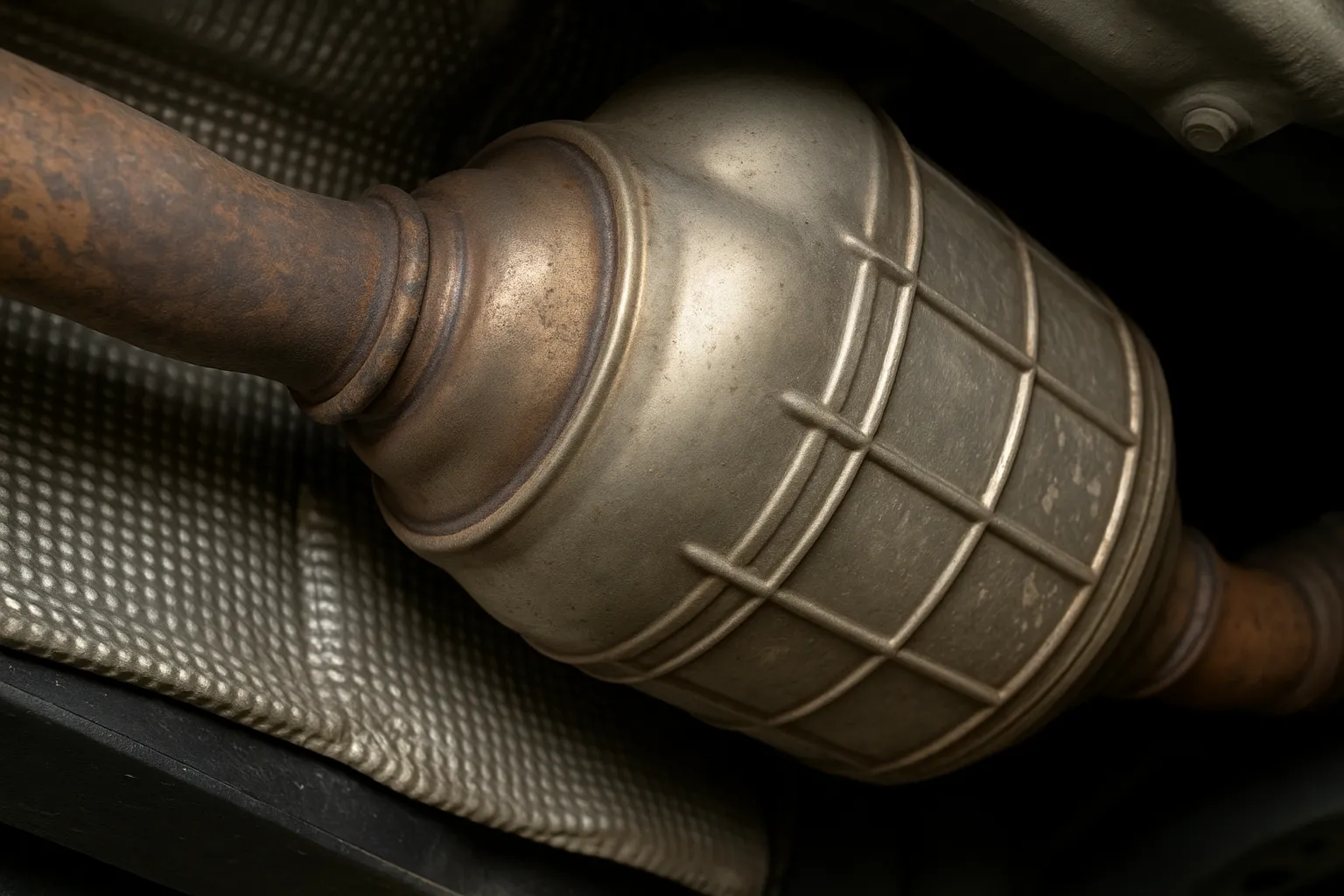

Can a Blocked DPF Cause Limp Mode? What Triggers It
Limp mode feels sudden. Power drops. The car goes flat. The dash lights up.
A blocked DPF can cause limp mode, but it is not the only trigger.
This guide shows what the ECU is reacting to, what to check, and when to stop driving.
Garage-based service only.
201 King Street, Fenton, Stoke-on-Trent, ST4 3ER.
Postal DPF cleaning available UK-wide.
If you searched “blocked DPF limp mode”, you want one thing.
A clear reason why the car has gone into reduced power and what to do next.
Not guesses. Not generic advice.
Limp mode is the ECU protecting the engine, turbo, and emissions system.
It steps in when it sees readings it does not like, or when a regeneration fails too many times.
A blocked DPF is a common cause. Sensor faults and engine faults can look the same.
Quick answer
- Yes, a blocked DPF can trigger limp mode because back pressure rises and the ECU limits power to protect the turbo.
- Limp mode can also happen when regeneration keeps failing, or when sensors report implausible values.
- If the car keeps cancelling regen, forcing more motorway runs usually wastes time and can add risk.
- The fastest route is to confirm if restriction is real, then clean the DPF and deal with the cause.
On this page
If your car has already shown a regen error, read this alongside the post:
DPF regeneration failed: what to do next
What limp mode is (in plain English)
Limp mode is not one single fault.
It is a safety strategy.
The ECU reduces power when it believes continuing at full load could cause damage.
What you feel
Slower acceleration.
Limited revs.
Gearbox may hold gears or shift oddly.
Hills feel harder than normal.
What the ECU is doing
Cutting boost.
Limiting fuel delivery.
Cancelling regeneration.
Triggering warnings to force a repair.
Why it matters
Driving hard in limp mode can increase heat and back pressure.
That can stress the turbo and exhaust.
Fixing it early is usually cheaper.
If you want the warning light basics, use this guide as your reference point:
DPF warning lights explained
How a blocked DPF triggers limp mode
A DPF blocks when soot builds up faster than it can be burned off during regeneration.
As restriction rises, exhaust back pressure rises.
The ECU sees that pressure and starts taking protective steps.
| Stage | What is happening | What you notice |
|---|---|---|
| Early warning | Soot load rising, regen attempts increase | DPF light comes on occasionally, fans run after drives |
| Regen fails | Conditions not met or ECU cancels regen due to faults | Warnings return quickly, fuel use rises, car feels flat |
| Back pressure high | Exhaust cannot flow properly, turbo works harder | Power loss under load, poor response, possible smoke |
| Limp mode | ECU reduces boost/fuel to protect the engine and turbo | Reduced power, limited revs, harsh driveability |
Why the turbo gets dragged into this
- High back pressure fights against the turbo’s ability to spool and push air.
- The ECU often limits boost to stop overspeed and heat build-up.
- That is why limp mode can feel like a turbo fault even when the root cause is exhaust restriction.
This related guide explains that link in more detail:
blocked DPF turbo and injector problems
Other triggers that look like a blocked DPF
Many people replace parts because “it must be the DPF”.
Sometimes it is. Sometimes it is a sensor or engine fault that stops regeneration or increases soot output.
These are the common lookalikes.
Pressure sensor problems
A faulty pressure sensor or split hose can report high back pressure even when flow is not the main issue.
The ECU then reacts as if the DPF is blocked and can trigger limp mode.
If you are not sure which one you are dealing with, our guide to DPF pressure sensor fault symptoms walks through the tell-tale signs.
EGR and intake soot build-up
EGR issues can increase soot production and reduce combustion quality.
More soot means the DPF loads faster, regen happens more often, and limp mode becomes more likely.
Boost leaks and air metering faults
If the engine runs rich due to air issues, soot rises.
You may feel power loss and assume DPF, but the DPF becomes a symptom of poor running.
Repeated interrupted regenerations
Short trips, stop-start work, and frequent key-off events can interrupt active regen cycles.
The car keeps trying, soot keeps rising, and limp mode arrives sooner.
If the DPF keeps blocking even after repairs, this helps you find the repeating cause:
what causes a DPF to block more than once
What you should check before driving further
Limp mode is your sign to slow down and get clear information.
These checks help you decide if you can drive gently to a booking, or if you should stop and recover it.
1) What lights and messages are showing
Note if you have just a DPF light, or DPF plus engine management light, or “regen failed”.
The combination matters because some faults will cancel regen completely.
2) Does it smoke or smell hot?
Heavy smoke, strong burning smells, or abnormal fan running can point to high heat and stress.
If it feels wrong, do not keep pushing it.
3) Has it recently tried to regenerate?
Signs can include higher idle, fans running after you park, and a change in fuel use.
If the car keeps attempting regen but fails, the root cause needs attention.
4) Any recent work or new faults?
Exhaust work, sensor replacement, or wiring disturbance can introduce pressure sensor or leak issues.
If limp mode appeared straight after a repair, do not ignore that timing.
If you want the step-by-step of what we do once it is booked in, read:
step-by-step how we clean your DPF
What to do next: drive, clean, or remove the DPF for refurb
There is no one answer for every car.
Use this decision path to avoid wasting money and repeating the same warning.
| Your situation | What it usually means | Best next step |
|---|---|---|
| DPF light on, no limp mode yet | Early soot loading, regen not completing often enough | Act early and book cleaning before restriction rises |
| Limp mode and repeat warnings | Back pressure high or ECU cancelling regen due to faults | Stop experimenting and get proper checks and cleaning |
| Warnings return soon after a “fix” | Underlying engine or sensor fault, or ash load limiting capacity | Find the cause, confirm restriction, then clean |
| High restriction and poor flow | DPF may need off-car refurbishment clean | Remove for off-car cleaning and flow testing |
On-car DPF clean (garage)
A strong fit when soot restriction is the main issue and the core is still healthy.
DPF cleaning starts from £150.
Prices can vary depending on the vehicle and condition. Call for a proper quote.
Off-car DPF cleaning
Better for deeper restriction and higher ash load cases.
The DPF comes off for a refurbishment clean and testing.
Postal DPF cleaning (UK-wide)
If your garage can remove the DPF, you can post it to us.
We clean it, test flow, and return it ready to refit.
If you are comparing service approaches, read:
on-car vs off-car DPF cleaning
How to stop limp mode coming back
The DPF does not block “for no reason”.
Limp mode usually arrives after a pattern of failed regen, short trips, or extra soot output.
These steps reduce the chance of a repeat.
Fix the cause, not just the symptom
If an EGR issue, boost leak, sensor problem, or injector fault is driving soot up, address it.
Otherwise, the DPF will load fast again.
Do not ignore early warnings
If you catch it early, you usually avoid limp mode and expensive knock-on issues.
This guide helps you act at the right time:
signs your DPF needs cleaning
Understand your driving pattern
Short, cold trips are rough on DPF systems.
If that is your normal use, plan preventative cleaning and keep an eye on regen behaviour.
Use the right service for the situation
On-car cleaning suits many soot restriction cases.
Off-car cleaning suits deeper restriction and ash loading cases.
If you are in limp mode, stop guessing
Tell us your mileage, how you use the car, and what warnings you are seeing.
We will point you to the right next step and the right cleaning option.
Book in at our Hanley garage, or use postal cleaning if your DPF is removed off-site.
All services are carried out in our garage.
No mobile visits.
Postal option available.
Helpful next reads
Blocked DPF turbo and injector problems
How restriction links to power loss and why other faults can mimic it.
DPF regeneration failed
What causes failed regeneration and the safest next steps.
Why a DPF keeps blocking after a clean
When the warning returns fast and what it usually means.
FAQs
Can a blocked DPF cause limp mode without a DPF light?
Yes. Some cars show an engine management light or generic “reduced power” message first.
The ECU can limit boost before the DPF light appears, depending on the model and the fault strategy.
Can I drive in limp mode to the garage?
If limp mode is mild and there are no hot smells, heavy smoke, or loud turbo noises, you may be able to drive gently.
If it feels harsh, the car struggles badly, or warnings stack up, stop and get advice first.
Will a forced regeneration fix limp mode?
Not always. If the ECU is cancelling regen due to sensor or engine faults, forcing regen can fail and waste time.
You need the cause addressed first, then cleaning if restriction is real.
Why does limp mode come back after clearing codes?
Clearing codes does not remove soot or fix the fault that caused the readings.
The ECU sees the problem again and returns to limp mode.
Focus on restriction, sensors, and the cause of high soot output.
Does off-car cleaning help if limp mode is frequent?
If restriction is deep or ash load is high, off-car cleaning can be the better route.
It gives the best chance to restore flow when an on-car clean is unlikely to shift enough restriction.
More answers here:
DPF Cleaner FAQs

0 Comments