


Blocked DPF Symptoms: How to Spot Trouble Before It Gets Expensive
A diesel particulate filter rarely fails overnight. Long before you end up in limp mode or facing a big repair bill, your car will usually show early blocked DPF symptoms. The trick is knowing what to look for – and what to do when you spot the signs.
In this guide we’ll walk through the most common symptoms of a blocked DPF, what they really mean, and when it’s time to book a professional clean. We’ll also link to useful follow‑up guides like DPF keeps blocking – causes and cures and blocked DPF and turbo problems.
1. DPF Warning Light on the Dashboard
The most obvious sign is the DPF warning light on your dash. On many cars it looks like a little exhaust box with dots inside. Sometimes it appears on its own; other times it appears with an engine or glow‑plug light.
Manufacturers often intend this first light as an early warning, not a “stop now” message. It usually means soot loading is high and the car is asking you to complete a regeneration drive. Our guide on how to clear the DPF warning light explains what to do at this stage.
2. Loss of Power and Limp Mode
As the DPF blocks further, backpressure in the exhaust rises. To protect the engine and turbo, the ECU may cut power and put the car into limp mode. You might notice:
- Very poor acceleration, especially uphill.
- Turbo not coming in as strongly as usual.
- Hard to reach motorway speeds.
Once you’re in limp mode, it’s unlikely that a simple motorway run will fix things. At this point you’re usually looking at a professional DPF clean or, if ignored, potential damage to other components. See our article on DPF regeneration failed – what to do next for your options.
3. Increased Fuel Consumption
A car that’s constantly trying – and failing – to regenerate its DPF will often use more fuel. You might notice:
- Range dropping faster than usual between fills.
- Average MPG on the trip computer falling over a few weeks.
This can be caused by repeated active regenerations and extra backpressure in the exhaust. It’s one of the subtle blocked DPF symptoms that drivers often ignore until the warning light appears.
4. Cooling Fans Running After Short Trips
If the car is trying to regenerate the DPF, you may hear the cooling fans running loudly even after a short journey. Sometimes the engine note changes slightly too.
Occasional fan noise isn’t a problem, but if it’s happening frequently on short runs, it’s a sign the car is struggling to complete regens – often because the journeys are too short or there’s an underlying fault.
5. Strong Smell, Smoke or Hot Exhaust
During regeneration, exhaust temperatures can get very high. With a badly blocked DPF you may notice:
- A strong hot or burning smell from under the car.
- Occasional smoke from the exhaust, especially during failed regens.
- The exhaust area feeling extremely hot after driving.
These are warning signs that the system is under stress. If you also have turbo‑related symptoms, read our guide on how a blocked DPF can affect your turbo and injectors.
6. Frequent Oil Level Warnings
Some vehicles dilute the engine oil with diesel during active regeneration. If regens keep failing, that diesel can build up in the sump, causing:
- Rising oil level on the dipstick.
- Oil level warning messages on the dash.
This is serious – over‑filled, fuel‑diluted oil can damage the engine. It’s a strong sign that your DPF system needs attention, not just another bottle of additive.
7. Multiple Warning Lights and Fault Codes
A blocked DPF rarely comes alone. You may also see:
- Engine management light.
- Glow plug or pre‑heat light flashing.
- Messages about exhaust system, emissions or power reduced.
On diagnostics, common codes relate to high DPF pressure, failed regenerations or sensor faults. Our article on engine faults that cause DPF blocking explains why fixing these issues is just as important as cleaning the filter.
Early vs Late Blocked DPF Symptoms
To keep costs down, the key is to act while symptoms are still in the “early” stage:
- Early signs: occasional DPF light, slightly higher fuel use, fans running after short trips.
- Late signs: limp mode, heavy smoke, repeated warnings, rising oil level, turbo problems.
Early on, a proper motorway run or a controlled regeneration may be enough. Once you’re in the late stage, you’re usually looking at a professional DPF clean – or even replacement if the filter has been damaged.
What to Do If You Notice Blocked DPF Symptoms
If you’re seeing one or more of the symptoms above:
- Don’t ignore the warning lights. Our article on why you shouldn’t ignore the DPF warning light explains the risks.
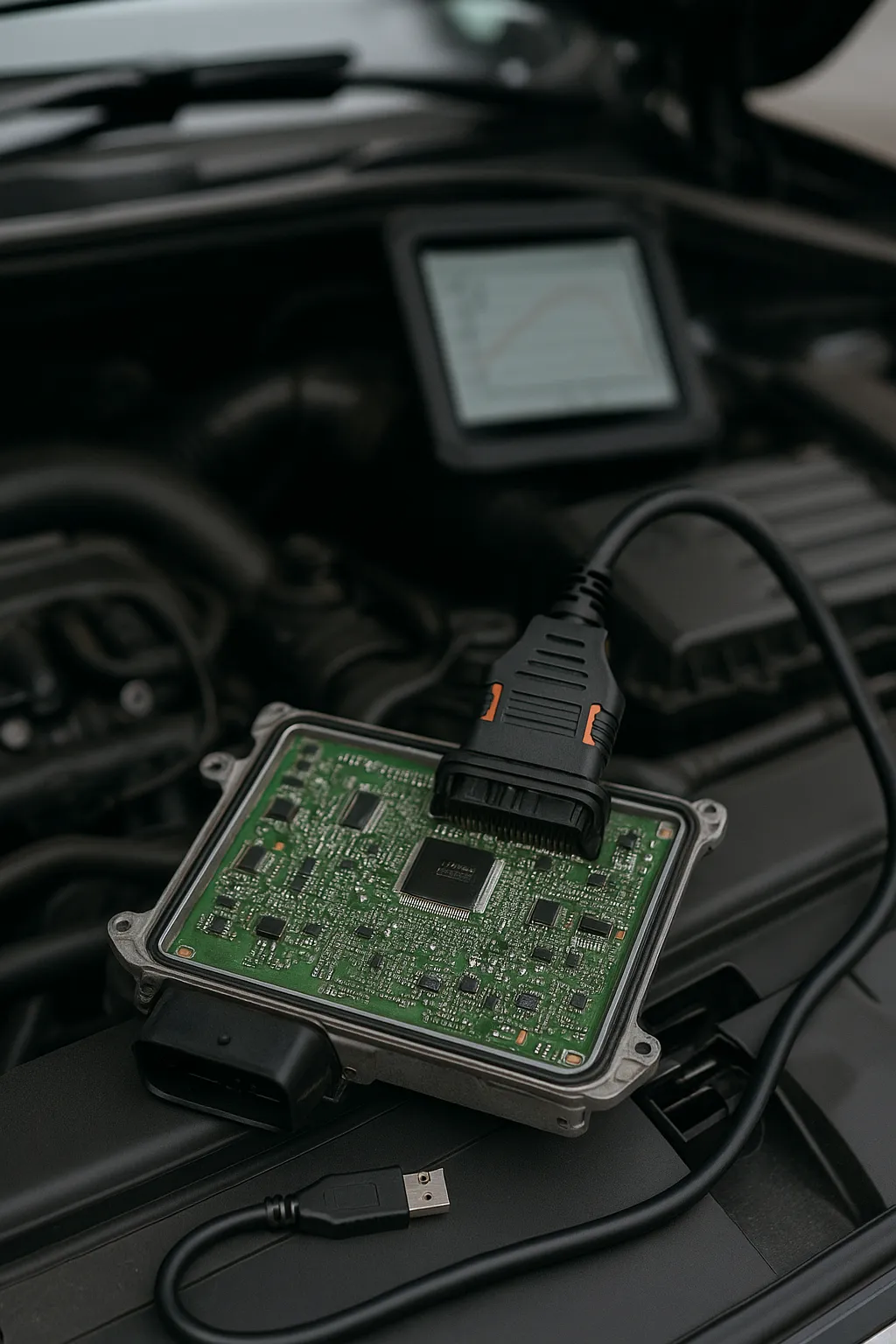
- Get proper diagnostics. Ask for live data on soot loading, backpressure and temperatures – not just a quick code clear.
- Avoid repeated “cheap cleans”. Multiple failed additives or regens often cost more than one proper clean.
- Fix underlying issues. If there are injector, EGR or boost faults, they must be sorted or the DPF will just block again.
When It’s Time for a Professional DPF Clean
You’re usually at the point of needing a proper clean when:
- The DPF light keeps returning after motorway runs.
- Diagnostics show high soot loading or “regeneration not possible”.
- You’ve already tried a forced regen or additive with no lasting result.
- The car has dropped into limp mode or feels badly restricted.
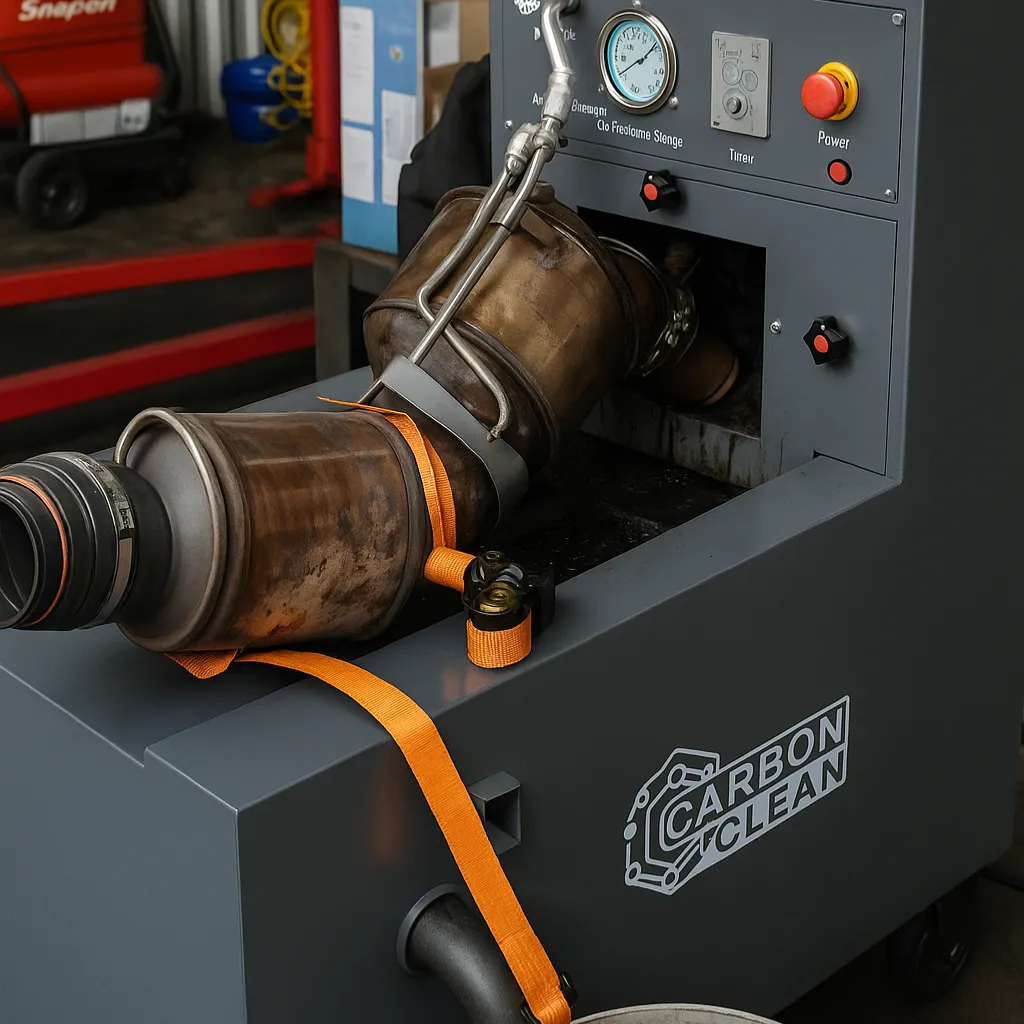
At that stage, a specialist on‑car DPF clean or postal DPF cleaning is usually far cheaper than continuing to drive and risking damage to the turbo, injectors or the DPF itself.
Next Steps: Get Ahead of DPF Problems
If you’ve spotted one or more of these blocked DPF symptoms, don’t wait for the car to grind to a halt. Start with:
- DPF cleaning cost UK – 2025 price guide to understand likely costs.
- DPF keeps blocking after clean – what to check next.
- DPF cleaning vs replacement costs if your garage is already talking about a new filter.
Need a specialist to look at your symptoms? If you’re in Staffordshire or happy to use our postal service, send your vehicle details, mileage and any fault codes via the contact page. We’ll tell you honestly whether you’re still in the “early warning” stage – or whether it’s time to book a proper DPF clean before things get expensive.
0 Comments