
DPF Cleaner — Stoke-on-Trent
Forced DPF Regeneration: What It Is, When It Works, and When It Won’t
Forced regeneration is a tool, not a cure. Used correctly it can clear a partially blocked DPF. Used in the wrong situation, it solves nothing and can cause further damage. Here’s what you need to know.
When a diesel vehicle’s DPF warning light comes on, one of the first suggestions you’re likely to hear from a garage or online forum is “forced regeneration.” It sounds technical, reassuring, and final. In the right circumstances, it is a perfectly valid approach. In the wrong ones, it’s a wasted hour and a wasted bill — with the same warning light back on the dash a week later.
This guide explains what forced DPF regeneration actually involves, when it’s the appropriate response to a blocked filter, what it costs, and when you genuinely need a different approach.
What’s on this page
What Forced DPF Regeneration Actually Is
Your vehicle’s engine management system usually handles DPF regeneration automatically. When the filter reaches a certain soot load, the ECU initiates a regeneration cycle — increasing exhaust gas temperatures to burn the accumulated soot into a much smaller volume of ash.
During normal driving, this happens passively: long motorway runs at sustained speeds create enough heat. When the vehicle isn’t driven in conditions that support this, the ECU may initiate an active regeneration — injecting extra fuel into the exhaust stream to raise temperatures even during slower driving.
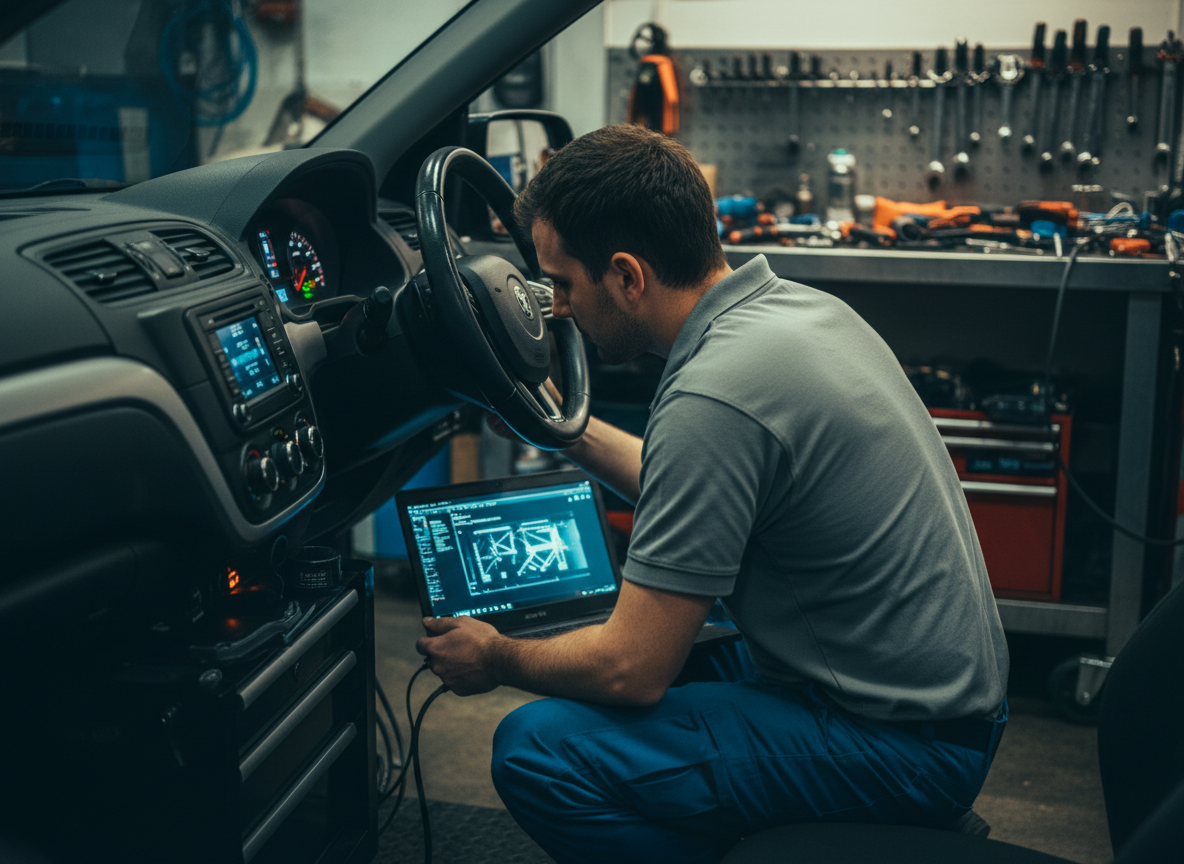
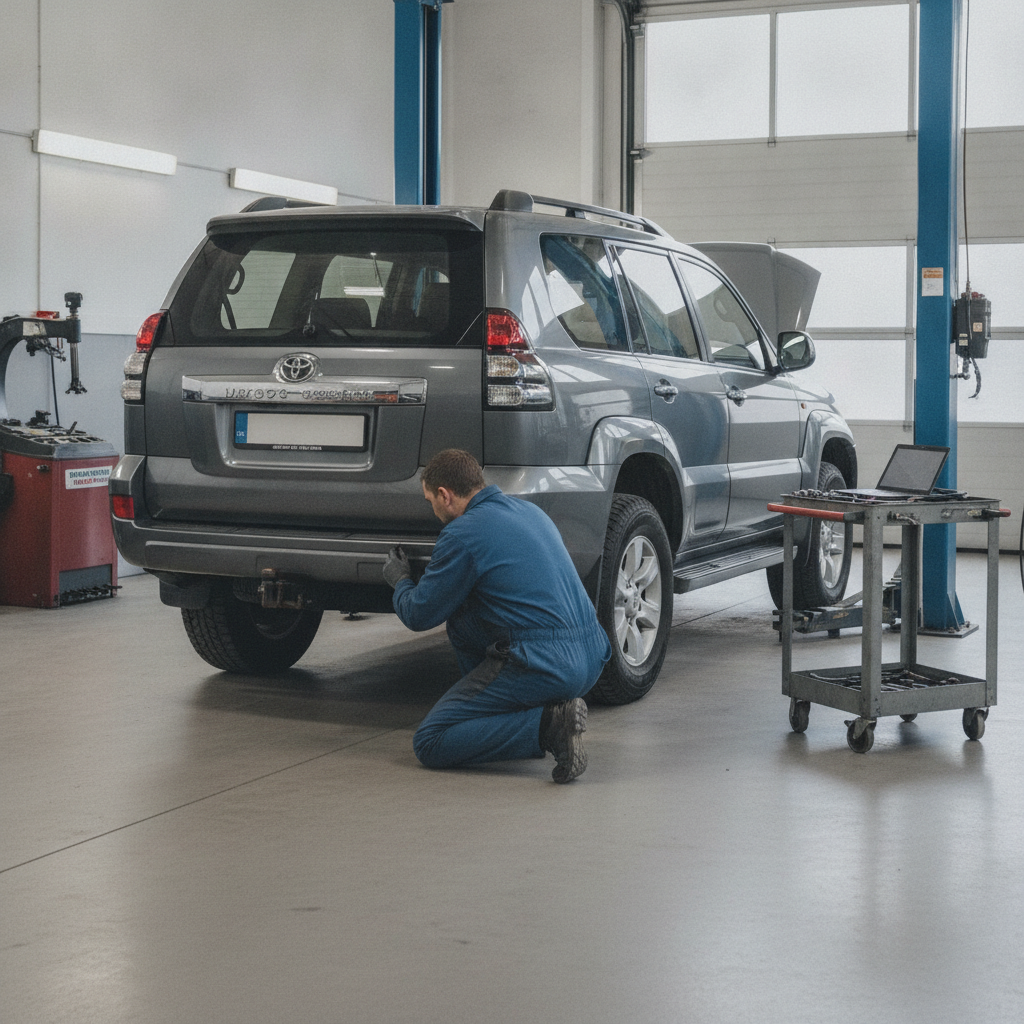
Forced regeneration is different. It’s a procedure carried out by a technician using a diagnostic tool connected to the vehicle’s OBD port. The tool overrides normal engine management to run a dedicated regeneration cycle under controlled workshop conditions — monitoring the process in real time and stopping it if conditions become unsafe.
The key word here is “controlled.” A proper forced regeneration isn’t just pressing a button and waiting. It requires monitoring exhaust temperatures, back-pressure readings, and soot load data throughout the process to assess whether the filter is clearing as expected.
Passive, Active, and Forced Regeneration: The Differences
| Type | How it happens | Driver involvement | When it occurs |
|---|---|---|---|
| Passive | High exhaust temps during normal driving burn soot naturally | None — happens automatically | Motorway driving, sustained speeds above ~40mph |
| Active | ECU injects extra fuel to raise exhaust temps | None — ECU manages it | When soot load exceeds a threshold during mixed driving |
| Forced | Diagnostic tool instructs ECU to run a dedicated cycle | Workshop procedure — technician required | When soot load is elevated and passive/active regen has failed |
When Forced Regeneration Works
Forced regeneration is the right approach when the filter’s soot load is elevated but still within a range where combustion can clear it. Specifically, it tends to work when:
- The DPF warning light has come on but the vehicle has not yet entered limp mode
- The soot load reading (visible via diagnostic tools) is elevated but not at the maximum threshold
- The filter has not built up excessive ash deposits — forced regen can only burn soot, not ash
- There’s no active underlying fault driving the blockage (faulty EGR, injector issues, etc.)
- The vehicle is relatively new to DPF problems — not a repeat blockage pattern
In these situations, forced regeneration under controlled workshop conditions can clear the filter, reset the warning light, and return the vehicle to normal operation. It is a legitimate and effective procedure — when used appropriately.
When Forced Regeneration Won’t Solve the Problem
This is where many drivers — and some garages — get it wrong. Forced regeneration has clear limits, and pushing it beyond them is both ineffective and potentially damaging.
When the soot load is too high
If the filter is too heavily loaded with soot, forced regeneration cannot generate enough heat to burn through it. The ECU may abort the process partway through, or the procedure may run to completion without meaningfully reducing the soot load. In some cases, attempting forced regen at very high soot loads can cause thermal stress on the DPF substrate.
When ash loading is the real problem
As described earlier, ash cannot be burned off by any type of regeneration. If a vehicle has high mileage and the DPF has never been properly serviced, ash may be the primary reason for high back-pressure — not soot. Forced regen will have essentially no effect on an ash-loaded filter.
When there’s an underlying fault
A blocked DPF caused by a faulty EGR valve, worn injectors causing over-fuelling, a turbo fault, or incorrect oil specification will block again. If forced regeneration is performed without diagnosing and addressing the root cause, it’s temporary at best. Some vehicles come back to garages within days of a forced regen having been done elsewhere.
When the filter is physically damaged
A cracked or damaged DPF substrate cannot be restored by regeneration. This requires assessment and, in most cases, replacement.
What Does Forced Regeneration Cost?
The cost of a forced regeneration varies depending on where you go and what’s included. Common price ranges in the UK:
- Procedure only (no diagnosis) — typically £50–£100 at many independent garages
- Procedure with pre-checks and diagnosis — typically £100–£150
- At a main dealer — often £150–£250+ depending on make and model
The cheapest option is not always the best value. A forced regeneration without checking the underlying cause of blockage, and without testing whether the filter actually cleared, is money spent without solving the problem. If the filter blocks again in two weeks, you’re paying again — or progressing to a more expensive intervention.
At DPF Cleaner, forced regeneration is part of our broader DPF cleaning and regeneration service. We assess the filter’s condition, carry out the appropriate procedure, and test the result — rather than running a regen and handing you the keys without knowing whether it actually worked.
What Happens After a Failed Forced Regen
If forced regeneration does not successfully clear the filter, or if the warning light returns quickly after a procedure, the next steps are clear:
Read the fault codes and back-pressure data to understand what’s actually happening inside the filter and the wider diesel system.
Determine whether the primary issue is soot (which can be cleaned) or ash (which requires physical removal via off-car cleaning).
Depending on the assessment, either an on-car DPF clean with specialist equipment, or an off-car clean and refurbishment where the filter is removed, pressure-cleaned, and flow-tested.
Check for EGR issues, injector problems, turbo wear, or other contributing factors that will cause the filter to block again if left unaddressed.
Flow testing before and after cleaning gives you actual numbers — not just a reset warning light — confirming the filter is performing correctly.
If you’re not near Staffordshire, our postal DPF cleaning service allows you to send the filter to our Fenton workshop for cleaning, testing, and return — from anywhere in the UK. Contact us before sending for details and a quote.
Forced Regen Didn’t Fix It? Let’s Find Out Why.
If your DPF keeps blocking or a forced regeneration hasn’t held, it’s time for proper diagnosis — not another reset. Book at our Fenton workshop or send your filter to us by post from anywhere in the UK.
Frequently Asked Questions
Can I do a forced regeneration myself without a diagnostic tool?
Not in the technical sense. Some drivers attempt a “passive” forced regen by taking the car on a sustained motorway run — this can assist regeneration but is not the same as a proper forced regen procedure. A genuine forced regen requires a diagnostic tool connected to the OBD port to instruct the ECU and monitor the process. Attempting to replicate this without the right equipment risks incomplete regeneration or running the engine in unsafe conditions.
How long does forced regeneration take?
A forced regeneration cycle typically takes 20–45 minutes under workshop conditions. However, the diagnostic time before the procedure — reading fault codes, checking soot load, assessing the filter — can add significantly to the overall visit time. Budget for at least an hour to an hour and a half including assessment and confirmation checks.
Will forced regen damage my engine?
When carried out correctly by a trained technician with appropriate monitoring, forced regeneration is safe. The risks arise when the procedure is attempted on a filter with an excessive soot load (potentially causing thermal stress), or when it’s run without monitoring back-pressure and temperatures throughout. At our workshop, we use live data during the process to confirm it’s running within safe parameters.
My DPF warning light came back two days after a forced regen. What’s happening?
This almost always means the root cause of the blockage wasn’t addressed. The most common culprits are a faulty EGR valve causing excessive soot production, injectors over-fuelling, or an oil specification issue. It can also mean the filter has significant ash loading that the regen couldn’t touch. In any of these cases, the right response is diagnosis — not another regeneration.
Is forced regeneration the same as an on-car DPF clean?
They overlap but are different. Forced regeneration uses elevated exhaust temperatures to burn soot. On-car DPF cleaning uses specialist cleaning equipment and processes in addition to regeneration, allowing for more thorough clearing and is often effective where a basic forced regen has failed. For heavily loaded or repeatedly blocked filters, an on-car clean or off-car refurbishment is usually the more appropriate solution.
0 Comments