
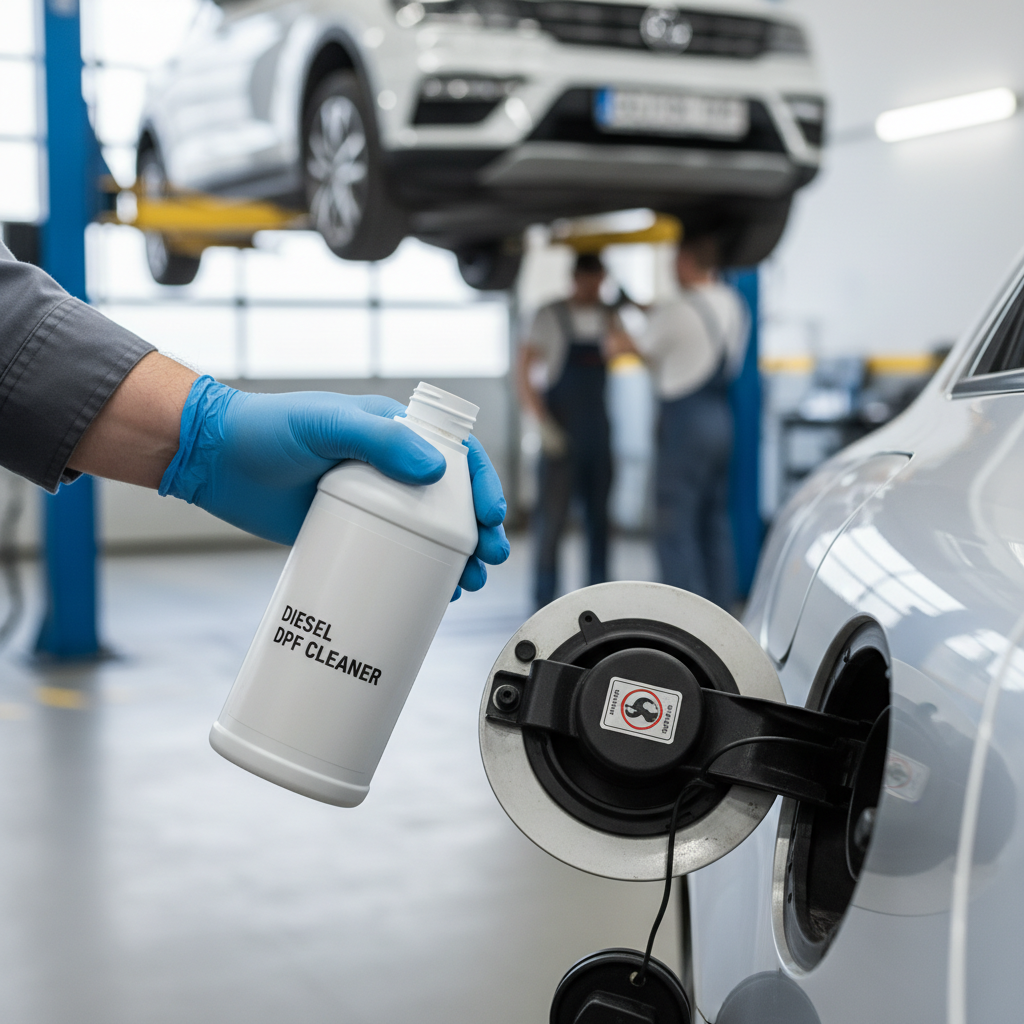

DPF Regeneration Cost UK: When a Forced Regen Makes Sense
If your diesel has thrown up a DPF warning and the garage has mentioned a “forced regeneration”, it’s natural to worry about the cost – and whether it’s even the right fix. In this guide we’ll break down typical DPF regeneration costs in the UK, when a forced regen makes sense, and when you’re better off booking a proper clean instead.
We’ll also link you to our main DPF cleaning cost guide for the UK so you can compare prices side by side.
What Is a DPF Regeneration?
Your diesel particulate filter (DPF) is designed to burn off soot during normal driving. This process is called regeneration. There are three main types:
- Passive regeneration – happens automatically on long, hot runs (motorway driving).
- Active regeneration – the ECU injects extra fuel to raise exhaust temperatures and burn soot.
- Forced or manual regeneration – a garage uses diagnostics to trigger a regen while the vehicle is stationary or on a road test.
Forced regeneration is usually suggested when normal regens have failed and the DPF is already heavily loaded with soot. At this point, cost and risk start to climb.
Typical DPF Regeneration Cost in the UK
Prices vary by garage, vehicle and how severe the blockage is, but across the UK you’ll typically see:
- Basic forced DPF regeneration: £80–£150
- Forced regen with diagnostics and road test: £120–£250
- Dealer-level forced regen on premium models: £200–£350+
That might sound cheaper than a full clean, but there are a few catches we see every week in our workshop in Staffordshire.
Forced Regen vs Proper DPF Cleaning: Key Differences
1. What’s actually removed
A forced regeneration is designed to burn off soot. It does not remove the ash that slowly builds up in the filter over time. Once ash loading is high, the filter will keep blocking again – even after an apparently “successful” regen.
With a proper clean (like our on‑car DPF cleaning service or postal DPF cleaning), we physically remove soot and ash, then flow‑test the filter before and after. That’s why a clean usually lasts much longer than a regen.
2. Temperature and risk
Forced regens rely on very high exhaust temperatures. If the DPF is already overloaded, or there are underlying faults (injectors, EGR, sensors), temperatures can spike and:
- Damage the DPF substrate
- Stress the turbo and catalytic converter
- In extreme cases, cause under‑bonnet heat damage
That’s one reason we often recommend a controlled clean instead of repeatedly trying forced regens on a badly blocked filter. Our flow‑test process lets us see exactly how well the filter is breathing before the vehicle leaves.
3. How long the fix lasts
If the DPF is only moderately loaded and the car is otherwise healthy, a forced regen can buy you time. But if ash loading is high or you mainly do short trips, the light often comes back within weeks.
A proper clean, combined with fixing the underlying cause (driving pattern, engine faults, additives, etc.), usually gives you much longer between blockages. For repeat problems, see our guide on DPF keeps blocking after clean.
When a Forced DPF Regeneration Makes Sense
We’re not anti‑regen – it has its place. A forced regeneration can be a sensible option when:
- The filter is only light to moderately loaded (your mechanic can see this in the live data).
- There are no active engine faults (no injector, EGR or boost issues).
- The vehicle normally does regular motorway mileage, so future passive regens are likely.
- You’re dealing with a first‑time blockage, not the third or fourth warning in a year.
In those cases, spending £100–£150 on a forced regen can be a reasonable first step – especially if you’re planning to change the vehicle soon.
When You Should Skip Forced Regen and Go Straight to Cleaning
From our experience with thousands of filters, we’d usually recommend you skip forced regen and go straight to a proper clean if:
- The DPF is showing very high soot loading or “regeneration not possible” in diagnostics.
- You’ve already had one or more forced regens in the last 12 months.
- The car mainly does short, stop‑start journeys around town.
- There are known engine issues – e.g. engine faults causing DPF blocking, injector problems or EGR faults.
- You’re seeing turbo‑related symptoms as well – see our blocked DPF and turbo problems guide.
In these cases, repeatedly paying for forced regens can easily cost more than a proper clean – without ever addressing the root cause.
Forced Regen Cost vs Cleaning Cost: Real‑World Examples
Here’s how the numbers typically stack up for our customers in Stoke‑on‑Trent and Staffordshire:
- Two forced regens at £140 each: £280 total, light keeps coming back, no flow test, no ash removal.
- One professional clean (on‑car or postal): Similar or slightly higher cost, but includes diagnostics, chemical clean, flush, and before/after flow testing.
For a more detailed breakdown by vehicle type, see our full DPF cleaning cost UK price guide for 2025.
How to Decide What’s Right for Your Car
If you’re staring at a DPF warning light and a quote for a forced regen, ask the garage (or us) a few key questions:
- What is the soot loading percentage in the DPF?
- Are there any other active fault codes (EGR, injectors, sensors, boost)?
- How many miles do I typically drive per week, and what kind of journeys?
- Have there been previous regens or cleans on this car?
The answers will usually make it clear whether a quick regen is worth trying, or whether you’re throwing good money after bad.
Next Steps: Get Clear on Your Options
If you’re unsure whether to book a forced regeneration or a full clean, start by reading:
- DPF regeneration failed – what to do next
- DPF cleaning vs replacement costs
- DPF lifespan – clean or replace?
Then compare those options against the prices in our 2025 DPF cleaning cost guide. Once you know the likely costs and risks, it’s much easier to choose the right fix for your car and budget.
Need help deciding? If you’re in Staffordshire or happy to use our postal service, you can contact us via the contact page with your vehicle details, mileage and fault codes. We’ll advise whether a forced regen is worth trying – or whether a proper clean will save you money in the long run.


0 Comments