
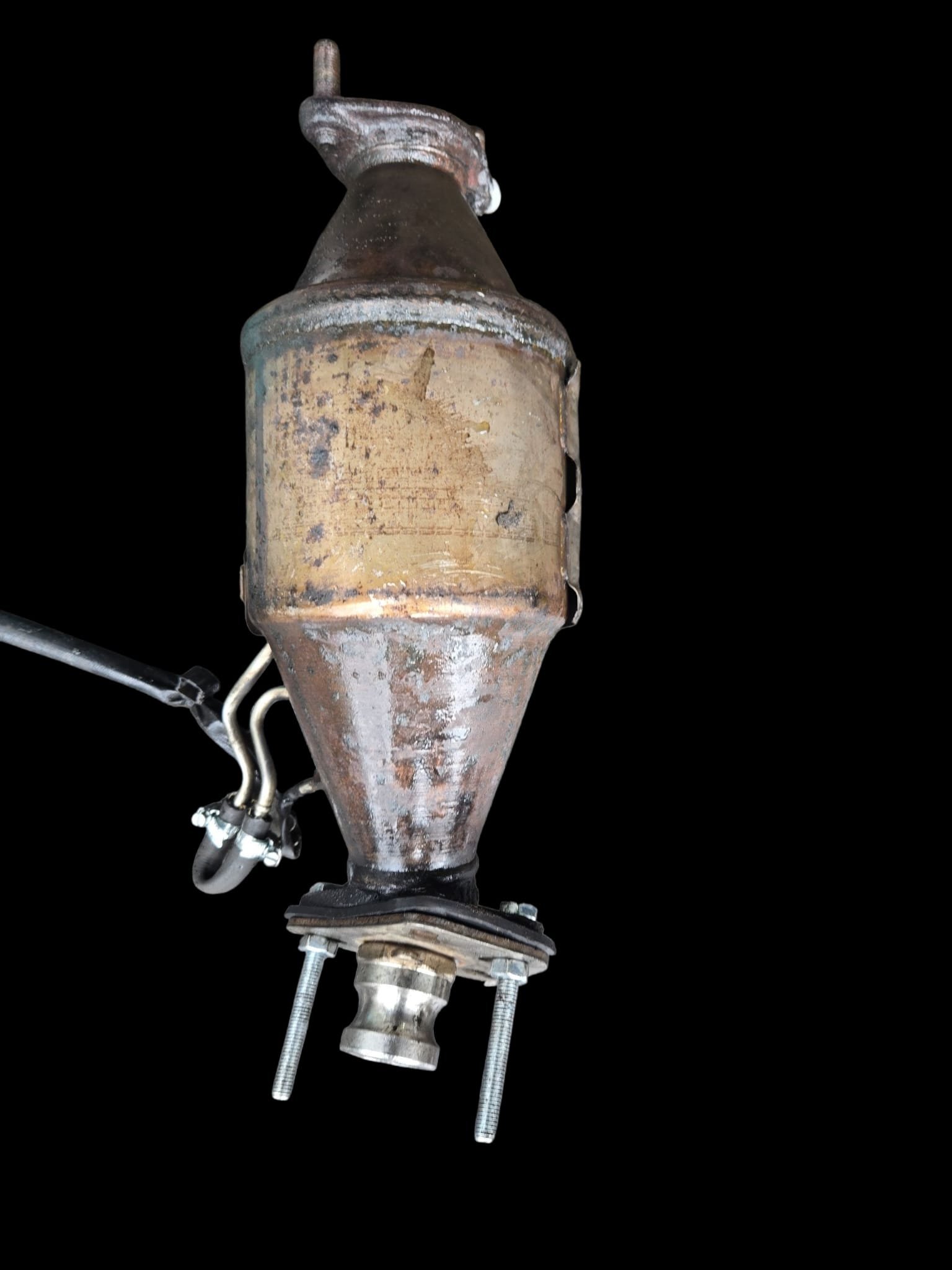

A blocked DPF does not fail in isolation.
It creates back-pressure that affects the entire engine.
As exhaust pressure rises, turbos overspeed, injectors struggle to fuel correctly, and exhaust temperatures climb.
The longer the blockage remains, the wider the damage spreads.
This guide explains how a blocked DPF causes turbo and injector problems and when cleaning can still prevent major repairs.
How a Blocked DPF Affects Your Engine
The diesel particulate filter (DPF) is designed to trap soot from exhaust gases. When it blocks, exhaust flow is restricted and back pressure inside the engine rises. This extra pressure puts strain on several key parts, including the turbocharger and fuel injectors. Left untreated, a blocked DPF can lead to expensive repairs that go well beyond the filter itself.
Understanding the link between DPF blockages and other engine problems helps you act early and avoid unnecessary costs.
Turbocharger Problems Caused by Blocked DPFs
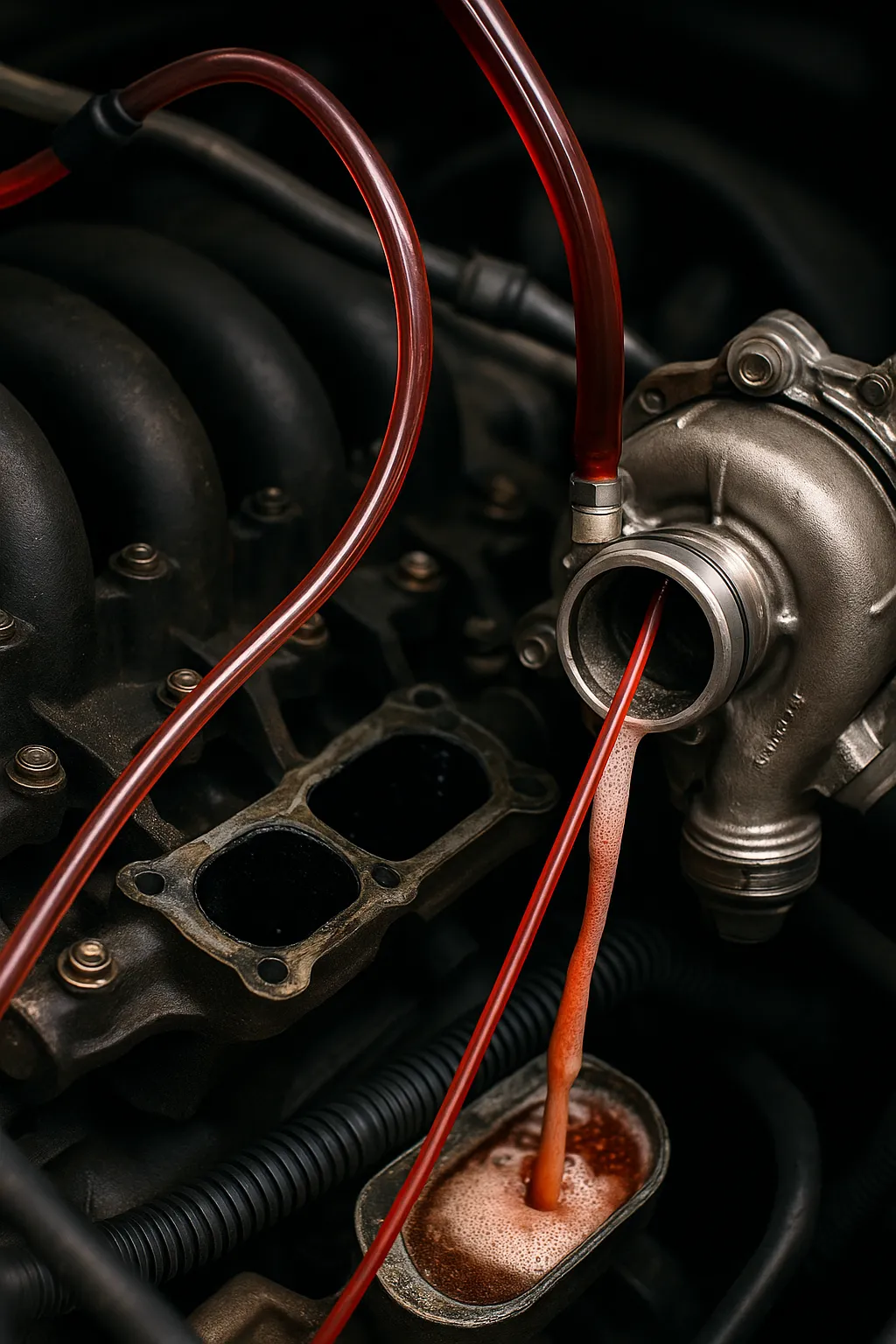
The turbo relies on smooth exhaust flow to spin freely and generate boost. If the DPF is blocked, gases can’t escape properly. This creates heat and pressure that may damage the turbo. Common issues include:
- Excessive back pressure – the turbo works harder than it should, shortening its life.
- Oil leaks – back pressure can force oil past turbo seals into the intake.
- Overheating – high exhaust temperatures damage bearings and housing.
Many turbo failures we see in the workshop can be traced back to long-term DPF blockages.
Injector Problems Linked to DPF Blockages
Fuel injectors are also affected. When the DPF blocks, the ECU may try repeated regenerations by injecting extra fuel. Over time this causes:
- Injector wear – constant over-fuelling damages injector tips.
- Oil dilution – unburned fuel washes into the sump, thinning the oil and increasing wear.
- Incomplete combustion – poor spray patterns increase soot production, making the DPF block faster.
This creates a vicious cycle: a blocked DPF stresses the injectors, which then cause more soot, leading to another blockage.
Warning Signs to Watch Out For
Drivers often notice symptoms before a full failure happens. Look out for:
- DPF light or repeated warning messages.
- Limp mode or loss of power on hills.
- Whining turbo noise or visible smoke from the exhaust.
- Poor fuel economy and rising oil level on the dipstick.
If you spot these signs, don’t wait. Learn more about DPF warning signs and booking a clean early can save you from major engine repairs.
How to Prevent Turbo and Injector Damage
The best way to prevent damage is to keep the DPF clear. Here’s how we help:
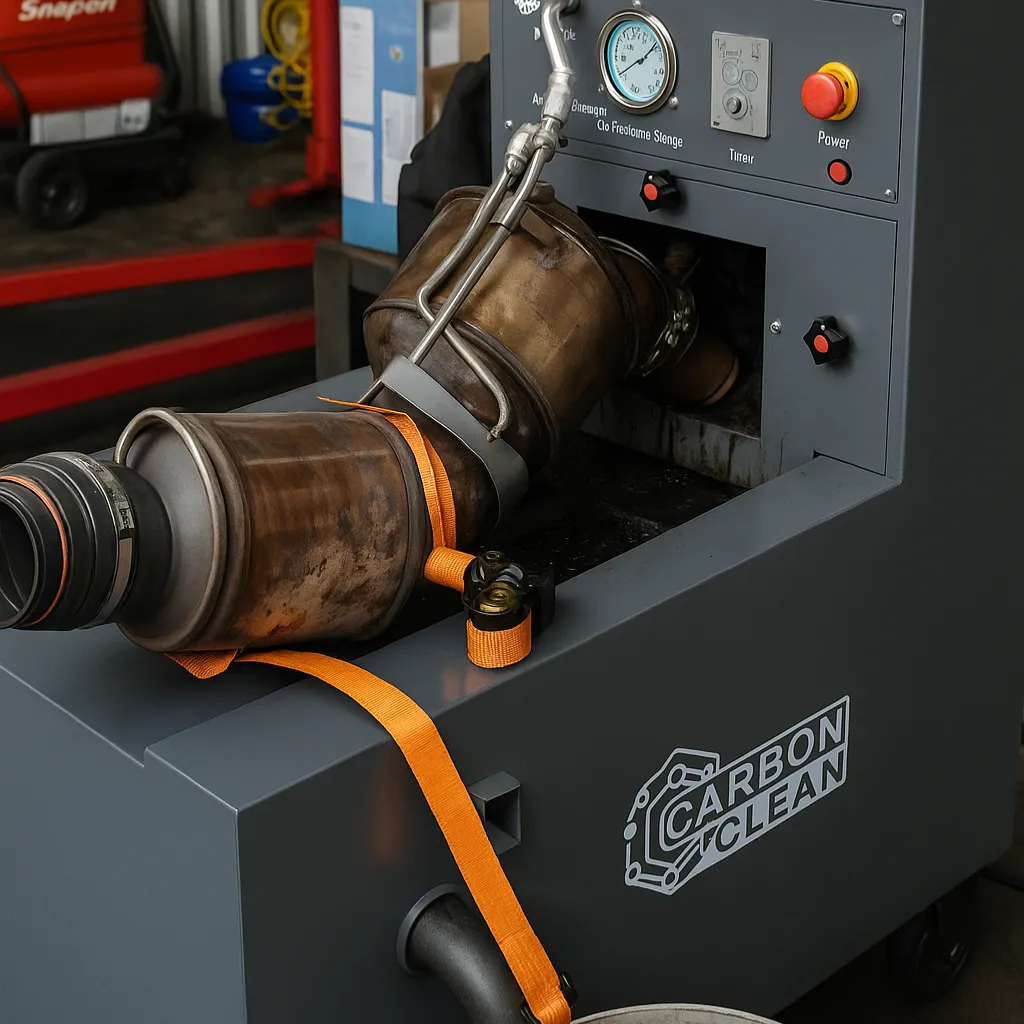
- On-car DPF cleaning – £200: Removes soot safely without removing the filter.
- Off-car refurbishment: A full removal and deep clean for heavily blocked filters.
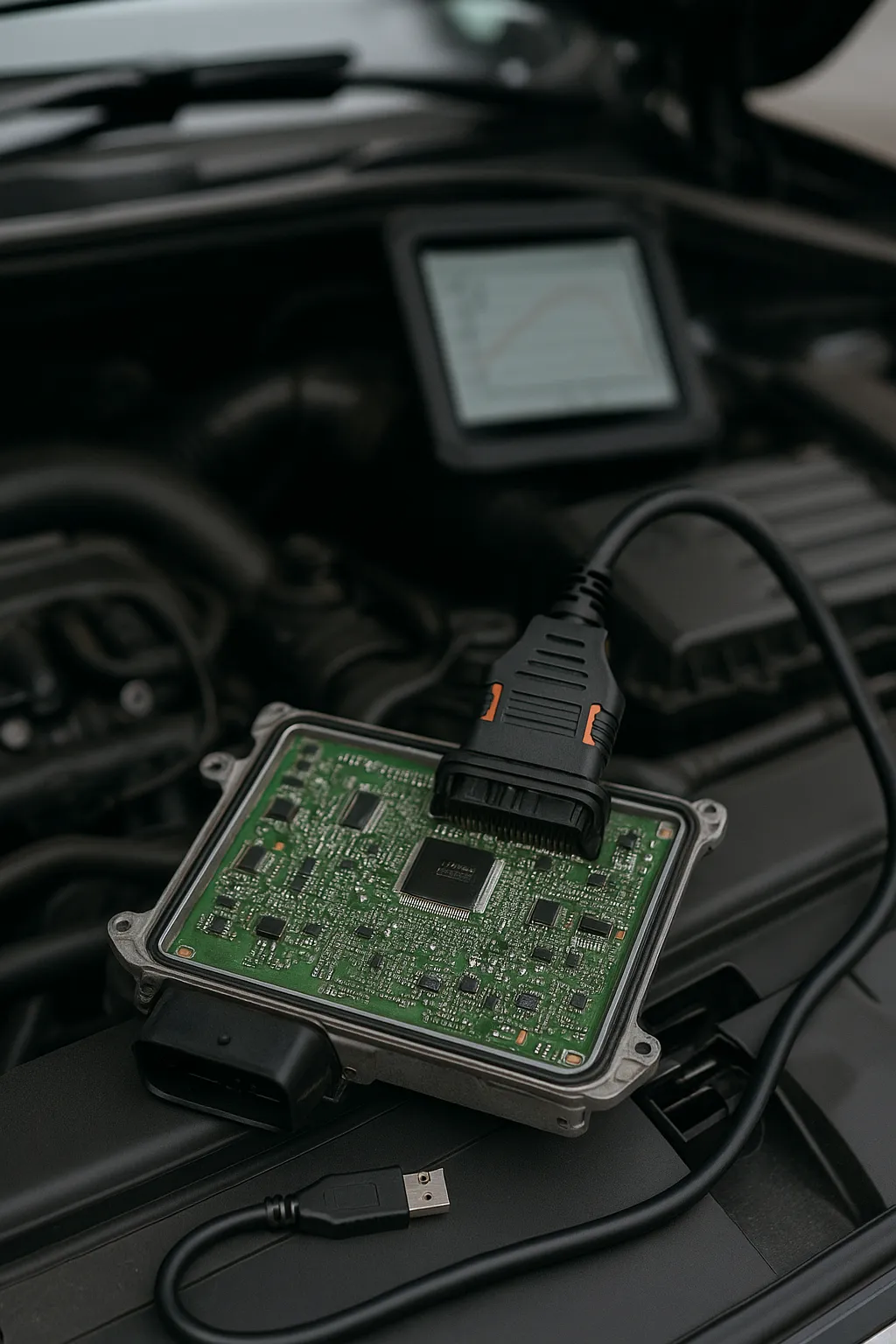
- Diagnostics included: We check sensors, injectors, and fault codes to find the cause, not just the symptom.
Not sure which service is right for you? Compare on-car vs off-car DPF cleaning. You can also view our complete DPF cleaning services for a full breakdown of options.
Real Examples We See in the Workshop
It’s common for us to see vans and cars arrive with turbo issues after weeks of driving with a blocked DPF. For example:
- Ford Transit vans – high idling on delivery routes means filters block quickly, often stressing the turbo.
- BMW diesels – short runs clog filters, leading to injector wear from repeated regenerations.
- Peugeot and Citroën BlueHDi models – when the additive tank runs dry, the DPF blocks, causing both injector and turbo issues.
In nearly all cases, a professional clean restores performance and prevents further damage.
What If the Turbo or Injectors Are Already Failing?
If your vehicle already shows signs of injector knock, turbo smoke, or high oil consumption, cleaning the DPF alone won’t fix it. These parts may need repair or replacement. But cleaning the DPF at the same time is essential—otherwise, the new parts will fail again from the same back pressure problems. Learn more about DPF cleaning vs replacement costs.
Customer Testimonials
“My BMW was in limp mode and I thought the turbo was gone. After your DPF clean, it runs perfectly again. Saved me over £1,500 on turbo replacement. Highly recommend!”
“My Ford Transit was losing power on hills. You diagnosed it was a blocked DPF causing turbo strain. The clean fixed it completely and my fuel economy improved by 15%. Great service.”
“I was quoted £2,000 for a new turbo. Your DPF cleaning cost £200 and solved the problem. Couldn’t believe it was that simple. Thank you!”
Booking a Professional DPF Clean
Whether you’re in Stoke-on-Trent, Cannock, Lichfield, or surrounding Staffordshire areas, our Hanley garage can help. We offer fixed-price on-car cleaning and full off-car refurbishment depending on the level of blockage. For drivers further afield, our postal DPF cleaning service is a quick alternative.
To book, call 07827 533529 today. Acting early protects your turbo, injectors, and engine from serious damage.
Frequently Asked Questions
Can a blocked DPF damage the turbo?
Yes. A blocked DPF creates excessive back pressure that forces the turbo to work harder than designed. This causes overheating, oil leaks, and bearing damage. Many turbo failures are caused by long-term DPF blockages. A professional clean prevents this damage and can save you £1,000-£2,000 in turbo repairs.
What causes DPF blockage and turbo failure?
DPF blockages are caused by soot buildup from short journeys, poor fuel quality, or failed regenerations. When the DPF blocks, back pressure rises and stresses the turbo, injectors, and engine. Short-run driving (under 30 minutes) is the most common cause. Regular motorway driving and professional DPF cleaning prevent blockages.
How much does it cost to fix a blocked DPF?
Professional DPF cleaning costs £150-£400 depending on the service type (on-car or postal). If the turbo or injectors are already damaged, repairs can cost £1,000-£2,500+. That’s why early cleaning is so important. See our complete DPF cleaning cost guide for detailed pricing.
Can you drive with a blocked DPF?
You can drive short distances, but it’s risky. A blocked DPF puts strain on the turbo, injectors, and engine. Continuing to drive will cause more damage and lead to expensive repairs. If you see a DPF warning light, book a clean immediately. Learn how to clear a DPF warning light.
What are the symptoms of a blocked DPF?
Common symptoms include DPF warning lights, limp mode, loss of power on hills, whining turbo noise, visible smoke, poor fuel economy, and rising oil levels. See our full guide to DPF warning signs for more details. If you notice any of these, contact us for a professional diagnosis.
Related Resources
Final Thoughts
A blocked DPF is more than just an inconvenience. It puts real strain on your turbo and injectors, risking major repair bills. By clearing the filter early with a professional clean, you prevent costly failures and keep your diesel running smoothly. Don’t wait for limp mode—deal with the blockage before it causes bigger problems.
Ready to protect your engine?
📞 Call 07827 533529 for a same-day DPF clean, or book online for postal service.
0 Comments